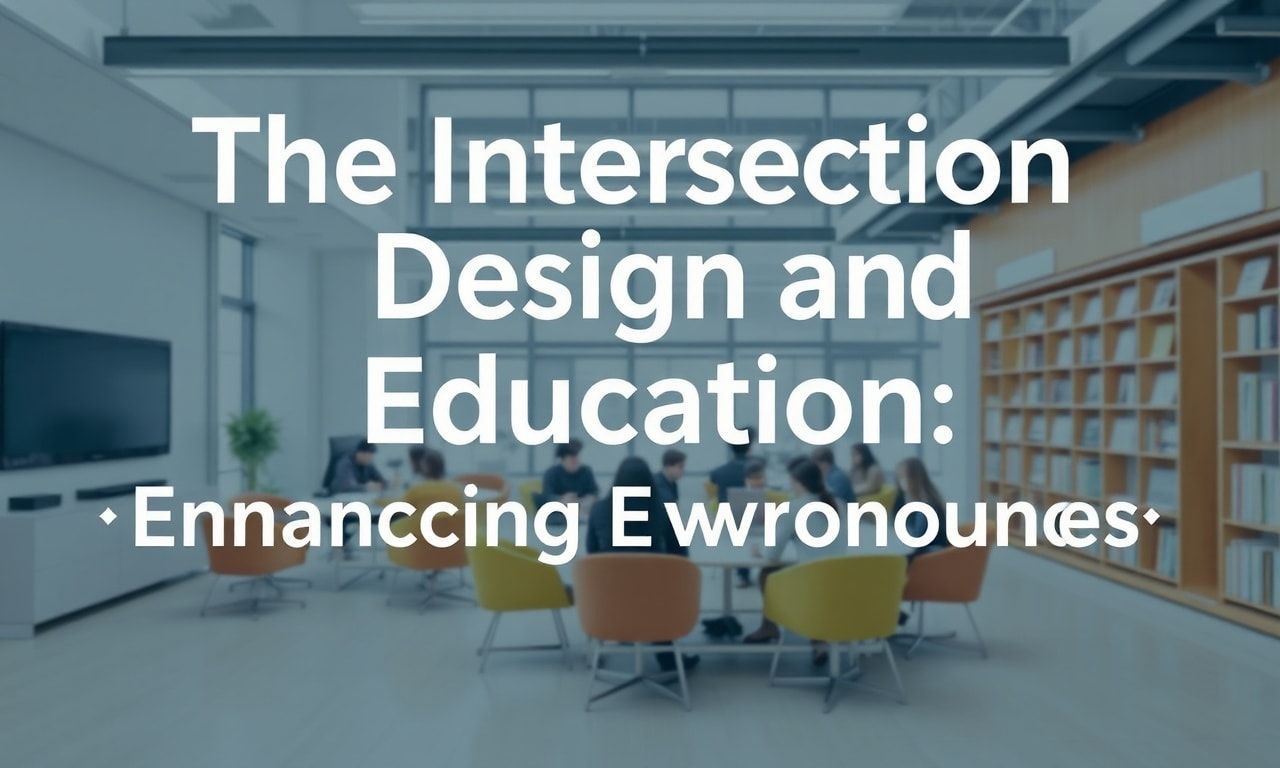
The Importance of Learning Environments
The environment in which learning takes place plays a crucial role in the educational process. A well-designed learning space can enhance focus, creativity, and overall academic performance. Whether it’s a traditional classroom, an online learning platform, or a co-working space, the design of the learning environment can significantly impact the learning experience.
Physical vs. Virtual Learning Spaces
Physical learning spaces, such as classrooms and libraries, have long been the cornerstone of education. These spaces are designed to facilitate face-to-face interaction, collaboration, and hands-on learning. On the other hand, virtual learning spaces, such as online courses and virtual classrooms, offer flexibility and accessibility, allowing learners to engage with educational content from anywhere in the world.
Both physical and virtual learning spaces have their unique advantages and challenges. For instance, physical spaces can foster a sense of community and provide opportunities for social interaction, while virtual spaces offer the convenience of learning at one’s own pace and schedule. The key is to design these spaces in a way that maximizes their potential for facilitating effective learning.
Design Principles for Effective Learning Environments
When designing learning environments, several key principles should be considered to ensure they are conducive to effective learning. These principles include:
- Accessibility: Learning environments should be accessible to all learners, regardless of their physical abilities or learning preferences.
- Flexibility: Learning spaces should be adaptable to different teaching methods and learning styles, allowing for a variety of activities and interactions.
- Comfort: Comfortable and ergonomic furniture, adequate lighting, and proper ventilation are essential for creating a conducive learning environment.
- Technology Integration: Incorporating technology into learning spaces can enhance engagement and interactivity, making the learning experience more dynamic and engaging.
The Role of Interior Design in Learning Spaces
Interior design plays a crucial role in shaping the learning environment. A well-designed interior can enhance the aesthetic appeal of the space, making it more inviting and stimulating. For example, incorporating elements like natural light, plants, and artwork can create a more pleasant and inspiring atmosphere. Additionally, the layout and organization of the space can facilitate better movement and interaction, promoting a more collaborative and engaging learning experience.
For those interested in the latest trends in interior design, exploring resources like iç mekan tasarımı trendleri can provide valuable insights and inspiration. These trends can be adapted to create learning environments that are not only functional but also visually appealing and conducive to learning.
Technology and Learning Environments
Technology has revolutionized the way we learn, making it possible to access educational content from anywhere at any time. Virtual learning environments, such as online courses and virtual classrooms, offer a flexible and accessible alternative to traditional learning spaces. These platforms provide learners with the opportunity to engage with educational content at their own pace, allowing for a more personalized and self-directed learning experience.
Innovative Tools and Platforms
There are numerous innovative tools and platforms that can enhance the learning experience. For example, virtual reality (VR) and augmented reality (AR) technologies can create immersive learning experiences, allowing learners to explore virtual environments and interact with digital content in new and engaging ways. Additionally, collaborative tools like wikis, discussion forums, and project management platforms can facilitate group work and peer-to-peer learning, making the learning process more interactive and collaborative.
Moreover, adaptive learning platforms use artificial intelligence (AI) to personalize the learning experience, tailoring content and activities to the individual needs and preferences of each learner. These platforms can provide real-time feedback and support, helping learners to stay on track and achieve their educational goals.
Creating Inclusive Learning Environments
Inclusive learning environments are those that are designed to accommodate the diverse needs and preferences of all learners. This includes considerations for physical accessibility, as well as the provision of a variety of learning resources and support services. For example, providing multimedia resources, such as videos, podcasts, and interactive simulations, can cater to different learning styles and preferences.
Supporting Diverse Learners
Supporting diverse learners requires a multifaceted approach that addresses the unique needs and challenges of each individual. This can include providing accommodations for learners with disabilities, such as closed captions for videos, screen reader compatibility, and accessible design elements. Additionally, offering a range of learning resources and support services, such as tutoring, mentoring, and counseling, can help to ensure that all learners have the support they need to succeed.
Furthermore, fostering a culture of inclusivity and respect is essential for creating a welcoming and supportive learning environment. This can be achieved through initiatives such as diversity training, inclusive curriculum design, and the promotion of open dialogue and collaboration among learners and educators.
Conclusion
The design of learning environments plays a crucial role in shaping the educational experience. By considering key principles such as accessibility, flexibility, comfort, and technology integration, educators and designers can create spaces that are conducive to effective learning. Whether it’s a physical classroom, a virtual learning platform, or a co-working space, the goal is to create an environment that supports and enhances the learning process. By embracing innovative tools and platforms, and fostering a culture of inclusivity and respect, we can create learning environments that are not only functional but also inspiring and engaging for all learners.
To enhance your academic journey, consider exploring personal growth and learning, a key factor in achieving success.
Struggling to manage your studies and personal life? Discover effective strategies in our guide on balancing education and personal life to help you achieve success.
Expand your knowledge on contemporary environmental solutions by exploring tech’s role in sustainability, a compelling study of innovative green technologies.