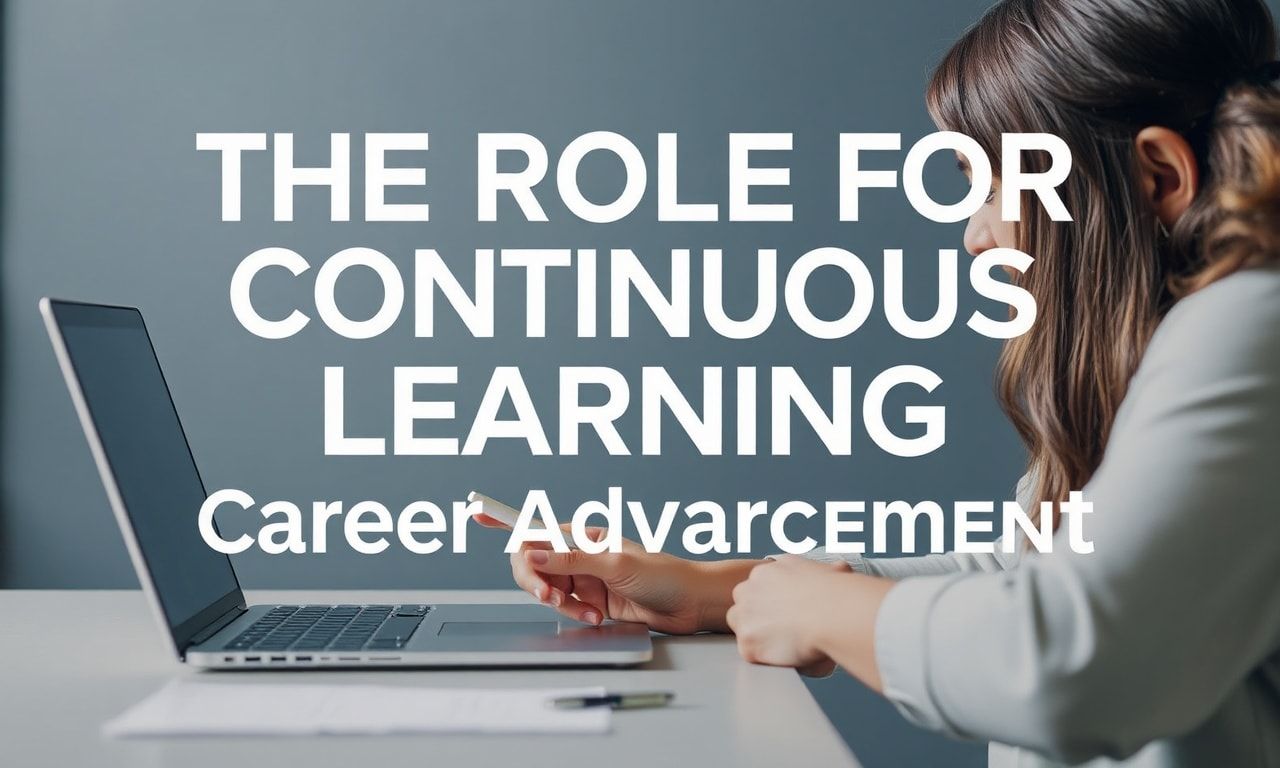
The Importance of Continuous Education
In today’s rapidly evolving job market, the concept of lifelong learning has become more crucial than ever. Gone are the days when a single degree or certification could secure a person’s career for life. Continuous education and skill development are now essential for staying relevant and competitive in the workforce. This article explores the significance of lifelong learning, its impact on career development, and practical ways to incorporate it into your professional life.
Understanding Lifelong Learning
Lifelong learning refers to the ongoing, voluntary, and self-motivated pursuit of knowledge for either personal or professional reasons. It is not limited to formal education but encompasses a wide range of activities, including online courses, workshops, seminars, and self-directed learning. The goal is to continuously update and expand one’s skill set, adapt to new technologies, and stay informed about industry trends.
The Benefits of Lifelong Learning
Engaging in lifelong learning offers numerous benefits, both personally and professionally. Some of the key advantages include:
- Career Advancement: Continuous learning can lead to promotions, higher salaries, and better job opportunities. Employers value employees who are proactive about their professional development.
- Adaptability: In a rapidly changing job market, being able to adapt to new roles and responsibilities is crucial. Lifelong learning helps individuals stay flexible and resilient.
- Personal Growth: Learning new skills and acquiring knowledge can boost self-confidence, improve problem-solving abilities, and enhance overall well-being.
- Networking Opportunities: Participating in educational programs and workshops provides opportunities to connect with like-minded professionals and expand your network.
Incorporating Lifelong Learning into Your Routine
Integrating lifelong learning into your daily routine doesn’t have to be overwhelming. Here are some practical tips to get started:
- Set Clear Goals: Identify the skills or knowledge areas you want to improve and set specific, measurable goals. This will help you stay focused and motivated.
- Utilize Online Resources: There are numerous online platforms offering courses and resources on a wide range of topics. Websites like Coursera, Udemy, and LinkedIn Learning provide flexible learning options.
- Join Professional Organizations: Becoming a member of a professional organization related to your field can provide access to workshops, seminars, and networking events.
- Seek Mentorship: Finding a mentor who can guide you and share their experiences can be invaluable for your professional growth.
- Explore Hobby-Related Learning: Engaging in hobbies can also be a form of lifelong learning. For example, if you’re interested in creative activities, you might explore hobi fikirleri yetişkinler başlangıç to find inspiration and resources.
Overcoming Barriers to Lifelong Learning
Despite the numerous benefits, there are several barriers that can hinder lifelong learning. Common challenges include time constraints, financial limitations, and lack of access to educational resources. However, with the right strategies, these obstacles can be overcome.
Time Management
One of the biggest challenges to lifelong learning is finding the time to dedicate to it. Between work, family, and other responsibilities, it can be difficult to carve out time for learning. To manage your time effectively, consider the following tips:
- Create a Schedule: Set aside specific times each week for learning activities. Treat these times as you would any other important appointment.
- Prioritize Tasks: Identify the most important tasks and prioritize them. This can help you focus on what truly matters and avoid feeling overwhelmed.
- Use Technology: Utilize productivity tools and apps to help you stay organized and on track. There are numerous apps available that can help you manage your time effectively.
Financial Considerations
Another common barrier to lifelong learning is the cost associated with it. While some educational programs can be expensive, there are many affordable or even free options available. Here are some ways to manage the financial aspect:
- Look for Scholarships and Grants: Many organizations offer scholarships and grants to support continuous education. Research and apply for these opportunities to help cover the costs.
- Utilize Employer Benefits: Some employers offer tuition reimbursement or professional development programs. Check with your employer to see if they provide any financial support for learning.
- Explore Free Resources: There are numerous free online resources available, such as webinars, podcasts, and open educational resources (OERs). Take advantage of these to learn without breaking the bank.
Conclusion
Lifelong learning is a powerful tool for career development and personal growth. By continuously updating your skills and knowledge, you can stay competitive in the job market, adapt to changes, and achieve your professional goals. Overcoming barriers such as time constraints and financial limitations is possible with the right strategies and resources. Embrace the journey of lifelong learning and unlock new opportunities for success.
In times of stress and uncertainty, self-care becomes paramount; explore how Pakistan’s Prime Minister advocates for personal well-being amidst political challenges in a recent insightful article.
To gain a deeper understanding of how technology is transforming learning environments, consider exploring education’s technological advancements and their impact on modern teaching methods.
To stay updated on the evolving landscape of education, consider exploring our detailed guide on digital transformation in learning and its impact on future skills.