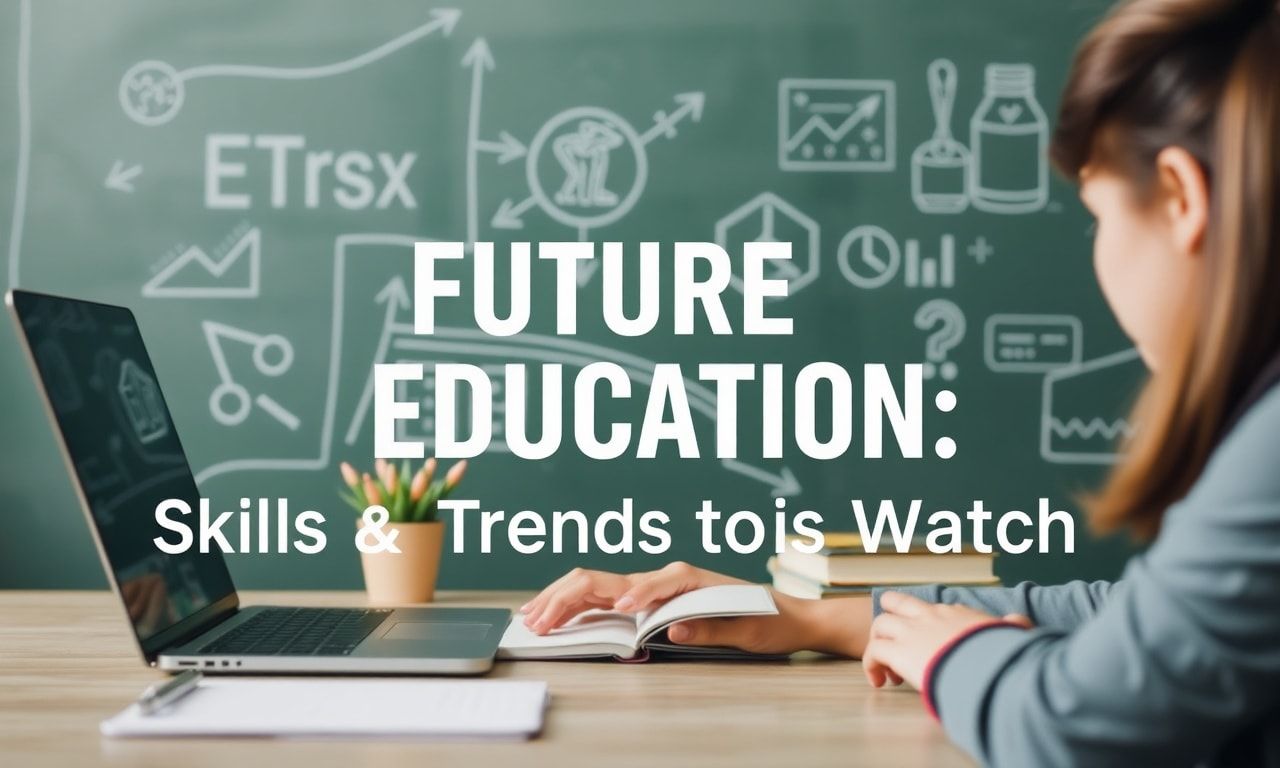
The Evolving Landscape of Education
The education sector is undergoing a significant transformation, driven by technological advancements and changing societal needs. As we look towards the future, it’s essential to understand the skills and trends that will shape the educational landscape. This article explores the key areas that are set to redefine learning and skill development in the coming years.
Emerging Trends in Education
Several trends are poised to revolutionize the way we learn and teach. From virtual reality classrooms to personalized learning experiences, the future of education is bright and full of possibilities. Here are some of the most notable trends:
Virtual and Augmented Reality
Virtual reality (VR) and augmented reality (AR) are becoming increasingly prevalent in educational settings. These technologies offer immersive learning experiences that can make complex subjects more accessible and engaging. For instance, medical students can practice surgeries in a virtual environment, and history students can take virtual tours of ancient civilizations. The potential applications of VR and AR in education are vast and continue to expand.
Personalized Learning
Personalized learning is another trend that is gaining traction. This approach tailors educational content to the individual needs and learning styles of students. With the help of artificial intelligence (AI) and machine learning, educators can create customized learning paths that adapt to the pace and preferences of each student. This not only enhances the learning experience but also improves student outcomes.
Lifelong Learning and Upskilling
In today’s fast-paced world, the concept of lifelong learning has become more important than ever. As industries evolve and new technologies emerge, professionals need to continuously update their skills to stay relevant. Online platforms like Coursera, Udemy, and LinkedIn Learning offer a wide range of courses that cater to this need. These platforms provide flexible learning opportunities that allow individuals to upskill at their own pace.
The Importance of Soft Skills
While technical skills are crucial, soft skills are equally important in the modern workforce. Employers are increasingly looking for candidates who possess strong communication, problem-solving, and teamwork abilities. These skills are not only valuable in the workplace but also in everyday life. As such, educational institutions are placing a greater emphasis on developing these competencies in their students.
Critical Thinking and Problem-Solving
Critical thinking and problem-solving are essential skills that enable individuals to analyze situations, evaluate information, and make informed decisions. These skills are highly valued in various fields, from business and technology to healthcare and education. By incorporating problem-based learning and real-world scenarios into the curriculum, educators can help students develop these critical competencies.
Communication and Collaboration
Effective communication and collaboration are key to success in any professional setting. Whether it’s through group projects, presentations, or team meetings, the ability to communicate ideas clearly and work well with others is invaluable. Educational institutions can foster these skills by providing opportunities for students to engage in collaborative activities and receive feedback on their communication abilities.
The Role of Technology in Education
Technology plays a pivotal role in shaping the future of education. From AI-driven learning platforms to online collaboration tools, technology is transforming the way we teach and learn. One interesting aspect of this transformation is the integration of fashion and design trends into educational content, as seen on platforms like 2026 modası en çok aranan aksesuar türleri, which can inspire creative and interdisciplinary learning experiences.
AI and Machine Learning
AI and machine learning are revolutionizing the education sector by enabling personalized learning experiences. These technologies can analyze student data to identify learning patterns and adapt content to meet individual needs. Additionally, AI-powered chatbots and virtual assistants can provide instant support and guidance to students, enhancing the overall learning experience.
Online Learning Platforms
Online learning platforms have democratized education by making it accessible to anyone with an internet connection. These platforms offer a wide range of courses, from academic subjects to professional development, allowing individuals to learn at their own pace and on their own schedule. The flexibility and convenience of online learning make it an attractive option for both students and working professionals.
Preparing for the Future
As we look towards the future, it’s clear that the education sector will continue to evolve. To stay ahead of the curve, educators and students must embrace new technologies and adapt to changing trends. By focusing on both technical and soft skills, and leveraging the power of technology, we can create a more inclusive and effective educational system that prepares students for the challenges and opportunities of the future.
Continuous Learning and Adaptability
Continuous learning and adaptability are key to thriving in an ever-changing world. By fostering a growth mindset and embracing lifelong learning, individuals can stay ahead of the curve and seize new opportunities as they arise. Educational institutions play a crucial role in promoting these values and providing the resources and support needed for continuous learning.
Collaboration and Innovation
Collaboration and innovation are essential for driving progress in education. By working together and sharing best practices, educators can create more effective and engaging learning experiences. Encouraging innovation and experimentation in the classroom can lead to new and exciting approaches to teaching and learning, ultimately benefiting students and the broader community.
To better understand how technology is reshaping learning environments, consider exploring future-ready educational approaches and their impact on student success.
To better understand how to equip students for tomorrow’s challenges, delve into future-ready learning techniques and the role of technology in education.
To deepen your understanding of digital currencies, delve into the evolution of digital money, a fascinating journey through the history of this innovative financial tool.