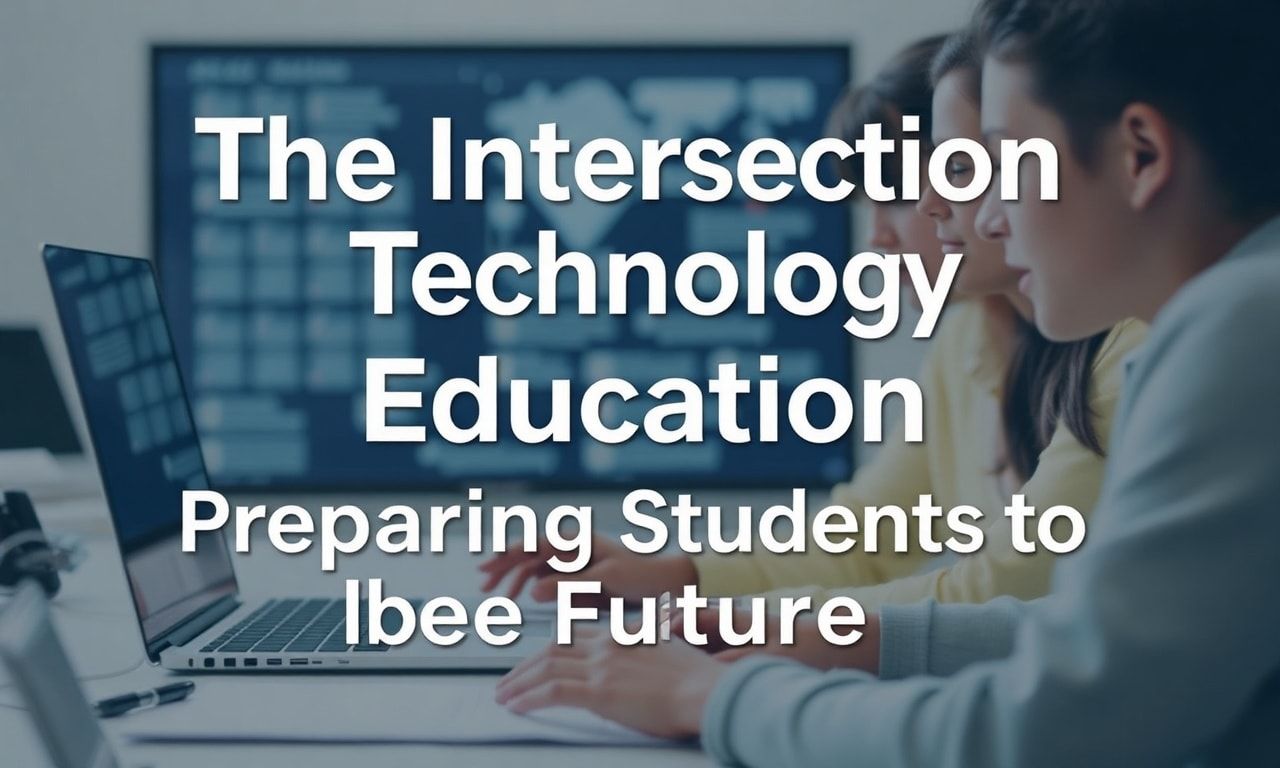
The Evolution of Educational Technology
The landscape of education has undergone a profound transformation with the advent of technology. From traditional chalkboards to interactive smartboards, the integration of technology in classrooms has revolutionized the way students learn and teachers instruct. Educational technology, or EdTech, encompasses a wide range of tools and resources designed to enhance the learning experience. These tools include software applications, online learning platforms, digital content, and even virtual reality experiences.
One of the most significant advancements in EdTech is the rise of online learning platforms. These platforms offer a plethora of courses and resources that cater to diverse learning needs. Whether it’s a high school student looking to supplement their studies or a professional seeking to upskill, online learning platforms provide flexible and accessible education solutions. For instance, platforms like Coursera, Khan Academy, and edX offer courses from top universities and institutions around the world, making high-quality education accessible to anyone with an internet connection.
The Role of Technology in Modern Classrooms
In modern classrooms, technology plays a pivotal role in engaging students and facilitating interactive learning. Teachers now have access to a variety of digital tools that can make lessons more dynamic and engaging. For example, interactive whiteboards allow teachers to create visually appealing lessons that capture students’ attention. Additionally, educational apps and software can provide personalized learning experiences, adapting to the individual needs and pace of each student.
Moreover, the integration of technology in education has also led to the development of blended learning models. Blended learning combines traditional face-to-face instruction with online learning activities. This approach allows students to benefit from the structure and guidance of a classroom setting while also having the flexibility to learn at their own pace. Blended learning has been particularly effective in subjects that require hands-on practice, such as mathematics and science.
The Impact of Technology on Student Engagement
One of the most significant benefits of integrating technology into education is the increased level of student engagement. Traditional teaching methods often struggle to keep students interested, especially in subjects that are perceived as difficult or boring. However, technology can make learning more interactive and enjoyable. For example, educational games and simulations can turn complex concepts into engaging and fun activities. These tools not only make learning more enjoyable but also help students retain information more effectively.
Furthermore, technology has made it easier for students to collaborate and communicate with their peers. Online forums, discussion boards, and collaborative tools like Google Docs and Padlet allow students to work together on projects and share ideas. This collaborative approach to learning fosters a sense of community and encourages students to take an active role in their education. Additionally, technology has made it possible for students to connect with experts and professionals in their fields of interest, providing them with valuable insights and mentorship.
Preparing Students for the Future
As technology continues to evolve, it is crucial for educational institutions to prepare students for the future workforce. The skills required in today’s job market are constantly changing, and students need to be equipped with the necessary tools to adapt and thrive. One way to achieve this is by integrating technology into the curriculum and teaching students how to use it effectively. For example, coding and programming skills are becoming increasingly important in various industries, and introducing these subjects at an early age can give students a competitive edge.
In addition to technical skills, technology can also help develop critical thinking, problem-solving, and creativity. For instance, students can use design software to create projects that demonstrate their understanding of a concept. This hands-on approach to learning not only enhances their technical skills but also encourages them to think critically and creatively. Furthermore, technology can provide students with real-world experiences through virtual field trips and simulations, preparing them for future challenges.
Challenges and Considerations
While the benefits of technology in education are numerous, there are also challenges and considerations that need to be addressed. One of the main challenges is ensuring that all students have equal access to technology. The digital divide, which refers to the gap between those who have access to technology and those who do not, can exacerbate existing inequalities in education. To address this issue, schools and educational institutions need to provide resources and support to ensure that all students have access to the tools they need to succeed.
Another challenge is the need for ongoing professional development for teachers. As technology continues to evolve, teachers need to stay up-to-date with the latest tools and best practices. Professional development programs can help teachers integrate technology effectively into their lessons and create engaging learning experiences for their students. Additionally, it is important to ensure that the use of technology aligns with educational goals and does not distract from the core curriculum.
In conclusion, the integration of technology in education has the potential to transform the way students learn and prepare them for the future. By leveraging the power of technology, educators can create engaging and personalized learning experiences that cater to the diverse needs of students. However, it is essential to address the challenges and considerations associated with technology in education to ensure that all students have equal access to high-quality education. As we continue to explore the possibilities of technology in education, we must also consider the ethical and social implications of its use. For the latest updates on technology and its impact on education, you can visit teknoloji son dakika günün haberleri.
To enhance your understanding of skincare science, consider exploring our detailed guide on protecting your skin health effectively, which covers essential knowledge for maintaining skin integrity.
To enhance your understanding of modern learning methods, consider exploring technology’s role in education, a comprehensive guide on how innovation is shaping the future of learning.
As educators and students alike navigate the evolving landscape of learning, exploring future-ready education strategies can provide valuable insights into the essential skills and tools needed for success.