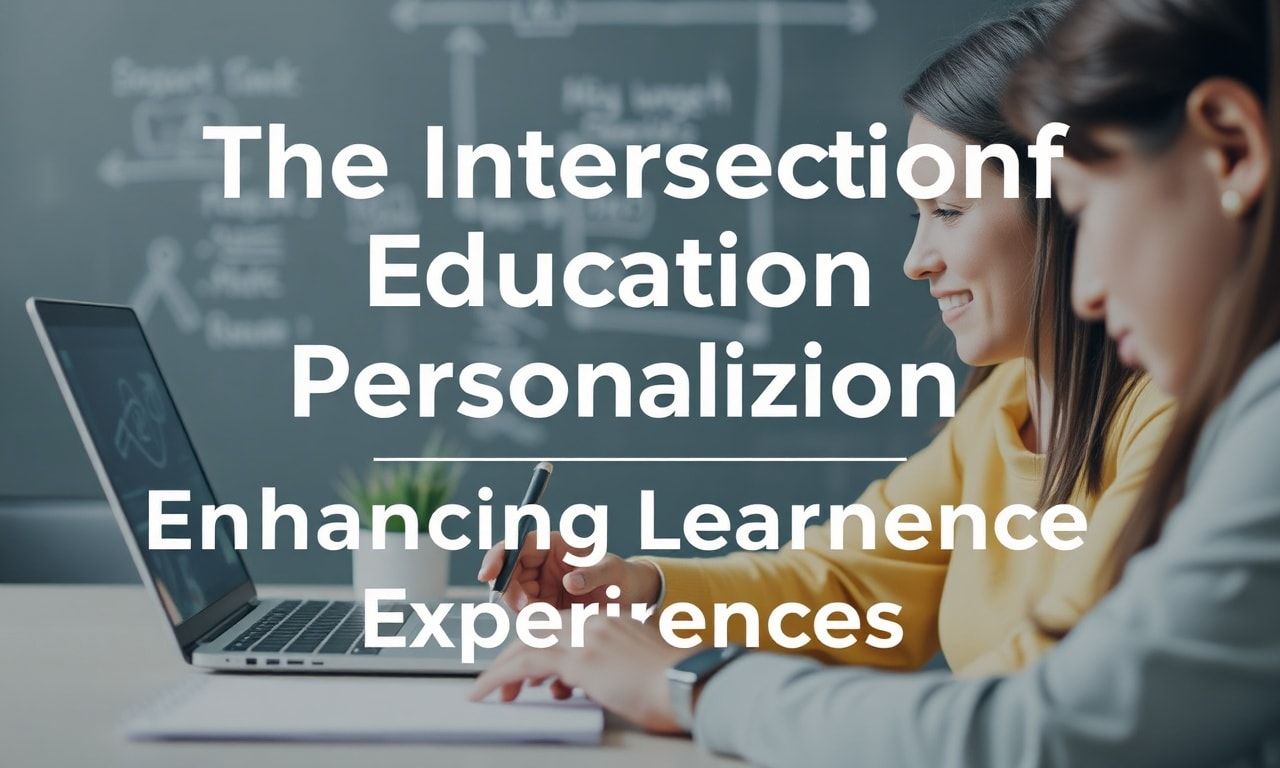
The Power of Personalized Learning
In the ever-evolving landscape of education, personalized learning has emerged as a powerful approach to enhance student engagement and outcomes. By tailoring educational experiences to individual needs, preferences, and pacing, educators can create more effective and meaningful learning environments. This article explores the benefits of personalized learning, its implementation strategies, and real-world examples that illustrate its impact.
Understanding Personalized Learning
Personalized learning is an educational approach that customizes instruction to meet the unique needs of each learner. This method contrasts with traditional, one-size-fits-all teaching models by focusing on individual strengths, weaknesses, and interests. Personalized learning can take various forms, including adaptive learning technologies, differentiated instruction, and student-centered learning environments.
Benefits of Personalized Learning
Personalized learning offers numerous advantages for both students and educators. For students, it fosters a deeper understanding of the material, increases motivation, and improves academic performance. Educators benefit from more efficient use of time and resources, as well as the opportunity to build stronger relationships with their students. Additionally, personalized learning can help identify and address learning gaps more effectively, ensuring that all students have the support they need to succeed.
One of the key benefits of personalized learning is its ability to cater to diverse learning styles. Visual learners, auditory learners, and kinesthetic learners can all benefit from tailored instructional methods that align with their preferred ways of processing information. For example, a student who excels in visual learning might benefit from infographics and videos, while a kinesthetic learner might thrive with hands-on activities and real-world applications.
Implementation Strategies
Implementing personalized learning requires a combination of technology, curriculum design, and teacher training. Adaptive learning platforms, for instance, use data analytics to adjust the difficulty and content of lessons based on student performance. These platforms can provide immediate feedback and personalized recommendations, helping students stay on track and engaged.
Differentiated instruction is another effective strategy for personalized learning. This approach involves tailoring teaching methods, content, and assessments to meet the diverse needs of students within a single classroom. Teachers can use a variety of instructional strategies, such as small group work, individual projects, and flexible grouping, to ensure that all students receive the support they need.
Real-World Examples
Many schools and educational institutions have successfully implemented personalized learning initiatives. For example, the Summit Public Schools network in California has developed a personalized learning model that combines project-based learning with adaptive technology. Students at Summit schools set individual goals, receive personalized feedback, and work on projects that align with their interests and academic needs.
Another example is the use of blackhawks jersey customization options in physical education classes to teach students about teamwork, design, and creativity. By allowing students to customize their own jerseys, educators can incorporate elements of personalization into the curriculum, making the learning experience more engaging and relevant.
Challenges and Considerations
While personalized learning offers numerous benefits, it also presents challenges. One of the main obstacles is the need for significant investment in technology and teacher training. Schools must ensure that they have the necessary resources and support to implement personalized learning effectively. Additionally, educators must be willing to adapt their teaching methods and embrace new technologies to meet the diverse needs of their students.
Another challenge is the potential for increased workload and stress on teachers. Personalized learning requires educators to be highly organized and responsive to individual student needs. To address this, schools can provide professional development opportunities and ongoing support to help teachers navigate the complexities of personalized learning.
Conclusion
Personalized learning represents a transformative approach to education that has the potential to enhance student engagement, motivation, and academic achievement. By leveraging technology, differentiated instruction, and real-world examples, educators can create learning environments that cater to the unique needs of each student. While challenges exist, the benefits of personalized learning make it a valuable investment for schools and educational institutions. As we continue to explore and refine personalized learning strategies, we can look forward to a future where every student has the opportunity to thrive and succeed.
For more insights on this topic, you might find The Intersection of Education and Sports: particularly informative.
For more insights on this topic, you might find The Intersection of Technology and Lifestyle: particularly informative.
If you enjoyed this article, we recommend checking out The Intersection of Sports and Pop for further reading.