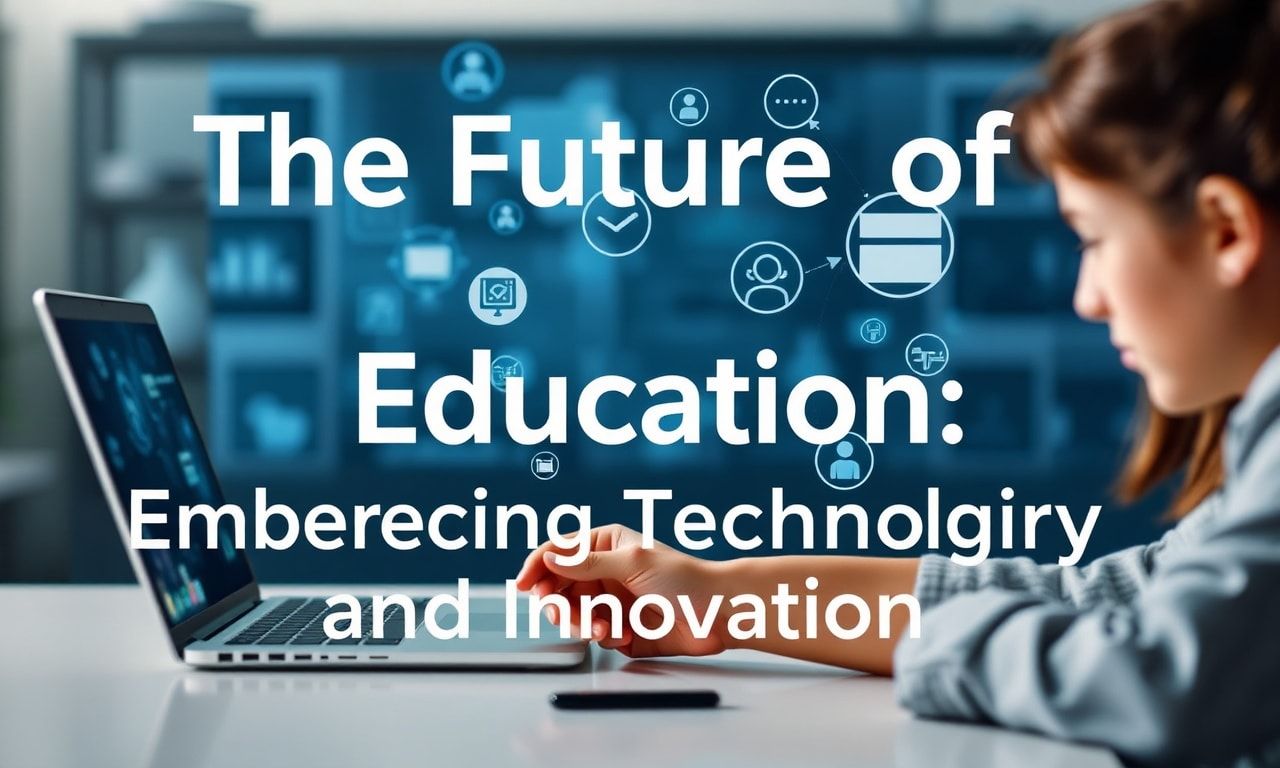
The Evolution of Education
The landscape of education has undergone a profound transformation over the past few decades. Traditional chalk-and-blackboard classrooms are gradually being replaced by digital learning environments. This shift is driven by the rapid advancement of technology, which has made education more accessible, interactive, and personalized. As we move forward, it is crucial for educators and students alike to embrace these changes and leverage technology to enhance the learning experience.
The Role of Technology in Modern Education
Technology has become an integral part of modern education. From online courses to virtual reality simulations, the tools available to educators and students are vast and varied. These technological advancements not only make learning more engaging but also cater to different learning styles. For instance, interactive simulations can help students understand complex concepts in subjects like science and mathematics. Additionally, online platforms offer flexible learning opportunities, allowing students to study at their own pace and convenience.
One of the most significant benefits of technology in education is the ability to personalize learning. Adaptive learning platforms use data analytics to tailor educational content to individual student needs. This personalized approach ensures that each student receives the support they need to succeed. Moreover, technology enables real-time feedback, which is crucial for continuous improvement and skill development.
The Impact of Online Learning
Online learning has revolutionized the way education is delivered. Platforms like Coursera, Khan Academy, and edX offer a wide range of courses from top universities and institutions around the world. These platforms provide an opportunity for lifelong learning, allowing individuals to acquire new skills and knowledge regardless of their geographical location. The flexibility of online learning is particularly beneficial for working professionals who wish to upskill or change careers.
In addition to formal online courses, there are numerous resources available for self-directed learning. Websites like YouTube offer educational content on a variety of topics, from academic subjects to practical skills. These resources are often free and accessible to anyone with an internet connection. The democratization of education through technology has opened up new possibilities for learners worldwide.
The Importance of Digital Literacy
As technology continues to play a central role in education, digital literacy has become an essential skill. Digital literacy encompasses the ability to use digital tools effectively, critically evaluate online information, and understand the implications of technology on society. Educators must incorporate digital literacy into their teaching practices to prepare students for the challenges and opportunities of the digital age.
One area where digital literacy is particularly important is in the field of electric vehicle technology. As the world shifts towards sustainable transportation, understanding the components and functioning of electric vehicles is crucial. For those interested in this field, resources like elektrikli araba motor fiyatları güncel provide valuable information on the latest developments and trends. This knowledge can be applied in various educational and professional contexts, from engineering to environmental studies.
Innovative Teaching Methods
Innovative teaching methods are essential for engaging students and fostering a love for learning. Traditional lecture-based teaching is being supplemented with interactive and collaborative approaches. For example, flipped classrooms reverse the traditional learning environment by delivering instructional content online and using classroom time for interactive activities and discussions. This method encourages active learning and critical thinking.
Project-based learning is another innovative approach that emphasizes hands-on, real-world experiences. Students work on projects that require them to apply their knowledge and skills to solve real-world problems. This method not only enhances learning but also develops important life skills such as teamwork, communication, and problem-solving. Additionally, gamification, the use of game elements in learning, can make education more engaging and motivating.
The Role of Artificial Intelligence
Artificial Intelligence (AI) is transforming education in numerous ways. AI-powered tools can automate administrative tasks, such as grading and scheduling, freeing up time for educators to focus on teaching. AI can also personalize learning by analyzing student data and providing tailored recommendations. For example, AI tutors can offer one-on-one support to students, helping them understand complex concepts and improve their performance.
Furthermore, AI can enhance the accessibility of education. For instance, speech recognition technology can transcribe lectures in real-time, making them accessible to students with hearing impairments. AI can also generate closed captions for videos, ensuring that educational content is accessible to a wider audience. As AI continues to evolve, its potential to revolutionize education is immense.
Preparing for the Future
As we look towards the future, it is clear that technology will continue to play a pivotal role in education. Educators must stay updated with the latest technological advancements and incorporate them into their teaching practices. This requires continuous professional development and a willingness to adapt to change. Additionally, educational institutions must invest in the necessary infrastructure and resources to support technology-enhanced learning.
Students, too, must embrace technology and develop the skills needed to thrive in a digital world. This includes not only technical skills but also critical thinking, creativity, and adaptability. By fostering a growth mindset and a passion for lifelong learning, students can navigate the challenges and opportunities of the future with confidence.
In conclusion, the future of education lies in embracing technology and innovation. By leveraging the power of technology, educators and students can create a more engaging, personalized, and accessible learning environment. As we continue to explore the possibilities of technology in education, we must also consider the ethical and social implications. By doing so, we can ensure that technology serves as a force for good, promoting equity, inclusivity, and excellence in education.
To gain insights into the evolving landscape of education, consider exploring technology’s role in learning, a comprehensive article that delves into the future of academic skills and courses.
To stay ahead in today’s competitive business environment, consider exploring innovative technologies in business and their impact on enterprise success.