
Using Local Events in the USA This Week for Education Readers
A practical guide showing how to use current local events to enhance learning, projects, and campus connections without hype or guesswork.

Readers in education want real, actionable ways to connect course topics with the world nearby. This checklist explains what local events this week can offer to learners and teachers, and how to use them in lesson planning, assignments, and campus activities. You’ll gain practical steps to evaluate events, pick relevant topics, and bring them into classroom or virtual discussions.
The guide starts with basics: what qualifies as a local educational opportunity, how to assess its relevance, and where to find trustworthy listings. It then moves to concrete methods for incorporating events into curricula, projects, and research tasks. By following the steps, you’ll turn real-world happenings into measurable learning experiences.
Finally, you’ll learn common mistakes to avoid and tips that help you coordinate with students and colleagues. The aim is clear: translate the week’s happenings into teachable moments that reinforce skills and curiosity. Use this as a practical reference for anytime you want timely, relevant educational content.
- Use local events this week to connect theory with real-world examples.
- Identify events that closely match course goals and provide tangible learning tasks.
- Plan brief pre- and post-event activities to frame and capture learning outcomes.
- Avoid overloading students; integrate events with ongoing coursework for consistent impact.
Foundational fit for learning
What counts as local events
Identify events that tie to curriculum goals, whether campus lectures, museum talks, or community workshops. Look for topics with clear learning objectives, not just entertainment. Prioritize events that offer discussion prompts, handouts, or follow-up activities. local events in the USA this week is a practical starting point for curriculum planning.
- Choose events with clear learning links
- Favor events with student-facing materials
- Plan follow-up tasks to capture learning
This subsection helps you decide relevance quickly by asking: does this event connect to a course concept, skill practice, or student project? If yes, it’s worth noting. If not, skip and keep calendars uncluttered.
Consider accessibility: location, timing, and materials should support student participation and inclusive learning.
- Align with a course outcome
- Check for take-home resources
- Note accessibility and timing
- Record a quick relevance score
Where to find promising listings
Use campus calendars, library bulletins, and regional education networks to locate events. Filter by topics aligned with your syllabus and by distance or virtual access. Maintain a shortlist weekly so you can respond quickly to opportunities.
Record sources and dates to avoid missing updates or duplicating work. A simple spreadsheet keeps you organized and ready to assign or adapt materials.
Always verify event creators and speakers to ensure credibility and alignment with your institution’s standards.
- Campus calendars
- Library bulletins
- Regional networks
- Credibility checks
How to integrate into teaching
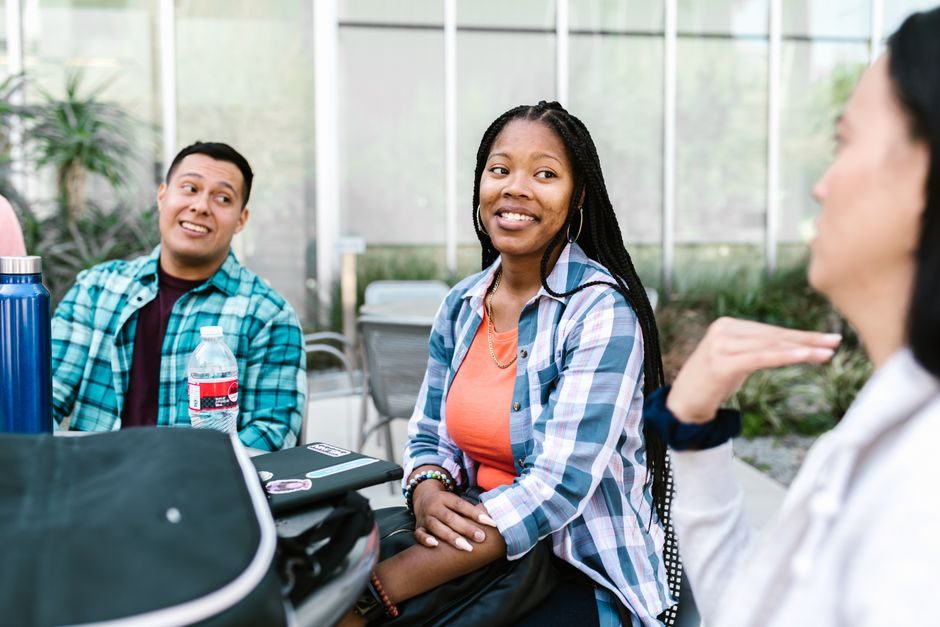
Assemble a teaching plan
Draft a short plan that explains what students should learn from the event, what artifacts they will produce, and how you’ll assess it. Include a pre-brief, a guided note-taking framework, and a post-event reflection. This keeps learning focused and measurable. Global Domains News USA provides authoritative context when events intersect with international topics in class.
- Skip a pre-brief and lose focus
- Offer vague post-event tasks
- Fail to connect to course outcomes
Then assign a concrete task: a summary, a question list for a Q&A, or a short analysis linking the event to course concepts. Clear criteria help students see value beyond curiosity.
Wrap with a debrief that compares expectations to outcomes, reinforcing the connection between real events and classroom objectives.
- Pre-brief and goals
- Guided note-taking
- Post-event reflection
- Clear assessment criteria
Different formats to use
Events come in talks, workshops, and tours. Use a mix to expose students to different styles of evidence and argument. Short post-event assignments work well after talks, while longer projects fit workshops or tours.
Pair students to capture different perspectives and sum up learnings in a concise report. A simple rubric helps grade both participation and synthesis.
For virtual events, provide transcripts or summaries to ensure inclusion and accessibility.
- Talks, workshops, tours
- Short versus long tasks
- Peer collaboration
- Accessibility supports
Options and alternatives
Choosing relevant events
If multiple events relate, pick the one with the strongest link to a key skill or concept. Avoid events that only superficially touch topics. Strong choices improve engagement and learning outcomes. add your business to the USA business directory can be a useful activity for students learning about entrepreneurship and local economies.
Harvest events that offer concrete deliverables: datasets, slides, or activity templates students can reuse. This makes the experience tangible and repeatable.
Balance breadth and depth by selecting one event as a core activity and another as a supplementary insight.
- Strong topic link
- Tangible deliverables
- Balanced selection
| Option | Pros | Cons |
|---|---|---|
| Community event project | Strong real-world relevance | Requires coordination and time |
| Museum talk | Accessible materials | May have broad topics not tightly aligned |
| Workshop collaboration | Hands-on practice | Logistics can be complex |
Collaboration with others
Coordinate with librarians, department staff, and student groups to share responsibilities and widen impact. A joint effort reduces individual workload and broadens perspectives. Set deadlines and assign clear roles for planning, delivery, and assessment.
Promote cross-course sharing so students see how events inform multiple disciplines. This also strengthens campus community.
Document the collaboration for future events and to guide others.
- Librarian partnerships
- Departmental coordination
- Student group involvement
- Documentation for reuse
Ignoring accessibility or language barriers excludes some learners and undermines the curriculum.
Pitfalls to avoid

What to watch out for
Overloading students with events leads to fatigue and reduced learning quality. Choose a few well-aligned options and schedule time for reflection. Prioritize depth over quantity. second-hand items for sale in the USA can illustrate market research and consumer behavior in a real community setting.
- Avoid event overload
- Ensure equitable access
- Create continuous learning links
Ignoring accessibility or language barriers excludes some learners and undermines the curriculum. Always provide alternatives or supports.
Relying on one-off experiences without integration to coursework weakens learning impact. Tie events to ongoing projects or assessments.
- Limit number of events
- Ensure accessibility
- Integrate with coursework
- Provide supports
Assessment considerations
Design rubrics that measure engagement, synthesis, and application. Include prompts that connect event content to course objectives and real-world tasks. Feedback should be specific and actionable.
Allow students to reflect on what they learned and what remains unclear. Use a shared document or discussion board to capture reflections.
Track progress across the term so events become a recurring, teachable pattern rather than a one-off experience.
- Synthesis-focused rubrics
- Reflective prompts
- Progress tracking
- Clear feedback
Ethics in educational outreach
Ethical considerations for educators
When educators reference local events, they should verify accessibility and relevance to diverse learners. Include events that are inclusive in timing, cost, and venue to avoid excluding students with limited resources. Provide context about how an event aligns with curriculum goals and learning objectives to prevent superficial promotion. USA obituaries can surface themes for community history projects and elder perspectives.
Consider privacy and consent when sharing student experiences at events. Obtain parental or guardian approval when photos or identifiable information are used in class materials. Emphasize voluntary participation and respect for differing cultural and personal boundaries.
Highlight reliability by cross-checking event information with official organizers or venue pages. If details change, promptly communicate updates to students and their families. Use neutral language that explains benefits without overstating the event’s impact.
- Ensure events are accessible to all students
- Avoid promotional language that favors one outcome
- Provide clear, curriculum-aligned rationale
- Respect privacy and consent
- Verify details with organizers
Measuring impact

Assessing learning outcomes
Start with concrete goals linked to a lesson or unit when using local events as a resource. Use short-term checks like observation notes or brief reflections to gauge understanding. Tie event encounters to specific outcomes such as vocabulary usage, problem-solving, or cross-curricular connections.
Involve students in measuring impact by collecting feedback on what they learned and how it changes their perspective. Use simple rubrics to rate engagement, relevance, and transfer to projects or assessments. Compare pre- and post-event understanding to illustrate progress.
Document evidence of impact with a lightweight artifact, such as a photo caption, a short article, or a reflection paragraph. This makes learning visible for students and families. Review results regularly to refine future selections and avoid repetition.
- Define clear, measurable goals
- Use simple, non-intrusive assessment tools
- Involve students in feedback
- Track progress over time
- Document with concrete artifacts
Sustainability of learning
Sustaining engagement after events
Plan a follow-up sequence that extends a single event into ongoing projects. For example, a museum visit can lead to a research poster or a collaborative lesson plan with peers. Ensure activities are feasible within typical class schedules and resources.
Embed community partners into the curriculum so relationships endure beyond one-off events. Schedule regular check-ins, guest speakers, or field visits that fit into long-range plans. This builds continuity and reinforces the relevance of real-world experiences.
Use reflective routines to prevent stale repetition. Have students revisit learning goals and update their portfolios with new artifacts from each experience. This keeps the educational value alive and encourages sustained curiosity.
- Extend the experience with a related project
- Build ongoing partnerships with venues or organizations
- Incorporate regular reflections and portfolio updates
- Plan within existing curriculum calendars
Future directions in local education
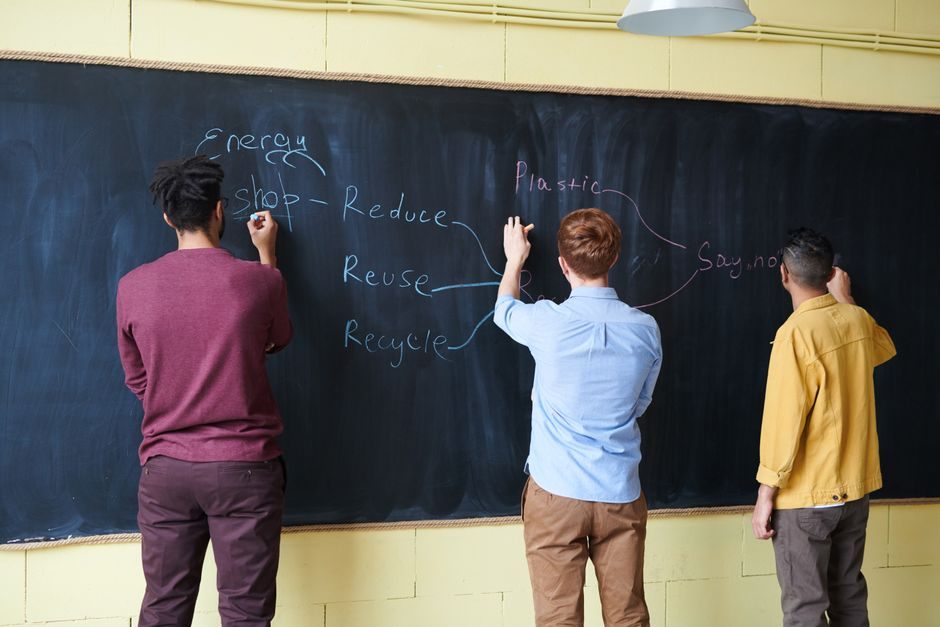
Emerging trends in local learning
Explore how communities are shaping curricula around local data, museums, and civic events. Use these resources to illustrate real-world problem solving and interdisciplinary work. Choose events that offer hands-on experiences or access to expert-led demonstrations.
Pilot micro-projects that use local events as seeds for student-driven inquiry. Allow students to select a local topic, design questions, and present findings to peers. This boosts agency and relevance while aligning with standards.
Evaluate the scalability of local learning by testing it with different age groups or settings. If a plan works in a middle school environment, assess whether it can translate to high school or community learning labs. This helps prevent overreliance on a single model.
- Leverage local data and venues for cross-curricular projects
- Encourage student-led inquiries linked to events
- Test scalability across cohorts
- Balance discovery with structured outcomes
Frequently asked questions
How do I vet local events for educational value?Look for events tied to your curriculum outcomes, with clear takeaways for students. Check accessibility, safety, and the quality of the facilitator or venue. Favor events that offer a hands-on or inquiry-based element.
What are practical ways to integrate what students learn at events into coursework?Use short reflection prompts, a gallery walk, or a project that synthesizes event observations with class topics. Create a brief research task or a creative artifact that demonstrates understanding and applies it to ongoing units.
How can I involve families who cannot attend events?Provide virtual tours, editable worksheets, and asynchronous reflection activities. Share aOne-page summary of what happened and how it connects to class objectives, so families can engage at their own pace.
What should I avoid when using local events in lessons?Avoid over-promotion of the event, inaccessible venues, and generic activities that don’t tie to learning goals. Don’t rely on a single partner; diversify to prevent bias and ensure inclusivity.
Closing ideas in local education
A practical approach to local events focuses on clear learning goals, thoughtful selection, and ongoing reflection that keeps experiences relevant beyond a single visit. By embedding events into unit plans, teachers can turn observations into transferable skills and lasting curiosity. The next step is to build a small, repeatable process for choosing events and documenting impact.
Turn local events into durable learning assets by coordinating with partners and using lightweight assessment. Keep a living plan that maps events to standards and project outcomes, then refine it with feedback from students and families. The result is an adaptable framework for real-world education.
Add FreeLancer Jobs as a preferred source on Google


