
Using Local Directories for Education Audiences: A Practical Guide
A clear, practical checklist for learners and educators on why a local business directory in the USA matters, how to use it effectively, and common pitfalls to

A local business directory in the USA can be a surprisingly useful resource for students and educators. This guide shows how to identify relevant listings, evaluate listings for credibility, and integrate them into coursework or career projects. You’ll learn concrete steps to use directories as part of research, outreach, and experiential learning.
For learners, directories can reveal nearby organizations for internships, field trips, or service projects. For instructors, they offer a way to connect curriculum with local stakeholders and real-world opportunities. The steps below translate this niche resource into practical, classroom-ready actions.
The goal is to turn a simple directory into a practical tool for learning, research, and community engagement.
- A local directory in the USA can connect learners with nearby opportunities and partners. Use it to shape coursework, fieldwork, and projects with real-world context.
- Evaluate credibility by cross-checking listings and prioritizing recent activity. Reach out with concise, tailored messages.
- Structure assignments around concrete, verifiable contacts and keep ethics and data handling clear from the start.
- The goal is to turn a directory into a reliable, teachable resource that enhances learning without overreliance on a single source.
Foundations: what a local directory can offer
Why it matters for students
A directory helps identify nearby businesses and organizations that align with coursework or research topics. It can simplify locating partners for projects or field observations. The key is to map learning goals to nearby resources. A useful resource on this topic: local business directory in the USA.
The practical use is finding sites for case studies, guest lectures, or mentor connections that are physically accessible. This strengthens the relevance of coursework by tying it to local examples.
Be selective: focus on directories that categorize by industry or service and verify the listings before approaching potential partners.
- Filter by domain (education, nonprofit, or industry)
- Check activity level (recent updates)
- Note contact routes (email or form)
How to evaluate credibility
Assess credibility by cross-checking listings with official websites or public records. Look for consistency between the directory and the organization’s own site. Treat listings with vague descriptions as warning signs rather than opportunities.
Credibility matters for safety and learning outcomes. Prefer entries with verifiable contact details and recent activity. This reduces time wasted on outdated, inactive, or irrelevant listings.
Always verify before reaching out or planning a learning activity; a quick check saves time and improves outcomes.
Practical uses in coursework

Research prompts and fieldwork
Use listings to formulate research prompts tied to local industry. Students can design surveys, interviews, or observational studies around nearby players. This makes abstract topics tangible and memorable. A useful resource on this topic: latest news USA.
Structure assignments to require direct outreach using directory-listed contacts, enhancing communication and data collection skills.
Balance independence with guidance to ensure projects stay ethical and feasible within the campus or community context.
- Create 2-3 research questions
- Schedule 1-2 field visits
- Document contact outcomes
- Record reflections on learning impact
Connecting with mentors
Directories can reveal potential mentors in the area who work in the same field as coursework. Reach out with a concise, respectful message that states learning goals and time availability. Personalization increases response rates.
Mentor involvement can take many forms, from short Q&A sessions to project guidance. Align the mentor’s expertise with course objectives to keep interactions meaningful.
Keep expectations clear, and respect mentors’ schedules to sustain a productive relationship.
- Draft a brief outreach email
- Propose a short meeting window
- Prepare specific questions
- Follow up with appreciation note
Outreach and safety basics
Crafting effective outreach
Your first message should state who you are, the course you’re in, and what you’re asking for. Keep it short and specific. A clear ask improves response rates. A useful resource on this topic: promote your event in the USA.
- Identify target listings
- Draft concise intro email
- Propose 2 options for collaboration
- Log responses and next steps
Offer flexibility in timing and method, such as in-person, phone, or email. This respects busy schedules while increasing chances of engagement.
Always include consent and data handling notes when discussing student projects or interviews.
- State purpose and duration
- Suggest 2 realistic options for contact
- Request permission for data use
- Provide contact info for replies
| Option | Pros | Cons |
|---|---|---|
| University outreach | Credible partners, structured programs | Time-consuming to set up |
| Community organizations | Direct impact, local relevance | Limited availability during terms |
| Student-led networks | High engagement, autonomy | Uneven mentor participation |
Managing risk and etiquette
Maintain professional boundaries and protect student privacy when contacting local businesses. Avoid pressuring partners for resources or commitments beyond what was agreed.
Document all communications and secure any sensitive data according to school policy. This creates a transparent trail for accountability.
If a partnership stalls, pivot to alternative listings or adjust the scope to stay aligned with learning goals.
- Keep communications polite
- Respect partner time
- Secure data and permissions
- Have backup options
Use notes or a small database to tag findings by education topic, geography, and potential collaboration.
Strategies for sustained use

Consistent research habits
Develop a routine to check local directories on a weekly cadence and save relevant listings for later review. Create a simple grading rubric to evaluate each listing’s relevance to your课程 or project needs. Track changes over time to note shifts in availability or pricing that affect coursework. A useful resource on this topic: place an advert in the USA.
Use notes or a small database to tag findings by education topic, geography, and potential collaboration. This keeps information organized and easy to reference during assignments or outreach. Pair directory checks with a quick search for related academic resources to expand context.
Leverage directory data to build case studies or compare regional approaches in your study material. Document concrete examples such as nearby educational vendors or community partners. A steady data stream supports more accurate assignments and richer classroom discussions.
- Set a regular reminder each week
- Tag entries by topic and location
- Archive changes and updates
- Cross-check with trusted academic sources
- Review with a peer
Alternatives to directories
Direct outreach channels
Direct outreach can yield more specific educational opportunities than passive directory browsing. Craft a concise email that explains the course objective and how a local partner could contribute. Follow up respectfully if you don’t receive a response within a week. place an obituary in the USA
Use campus or library networks to reach local providers, mentors, and subject-matter experts who can lend credibility and context to your assignments. Coordinate schedules and prepare questions in advance to maximize the value of the interaction.
Document outcomes from outreach, including any additional resources or contacts gained. This record helps you build a growing network that supports ongoing coursework and potential collaborations.
- Draft a precise value proposition
- Keep outreach brief and respectful
- Record responses and next steps
- Schedule follow-ups
- Share outcomes with classmates
Common mistakes to avoid
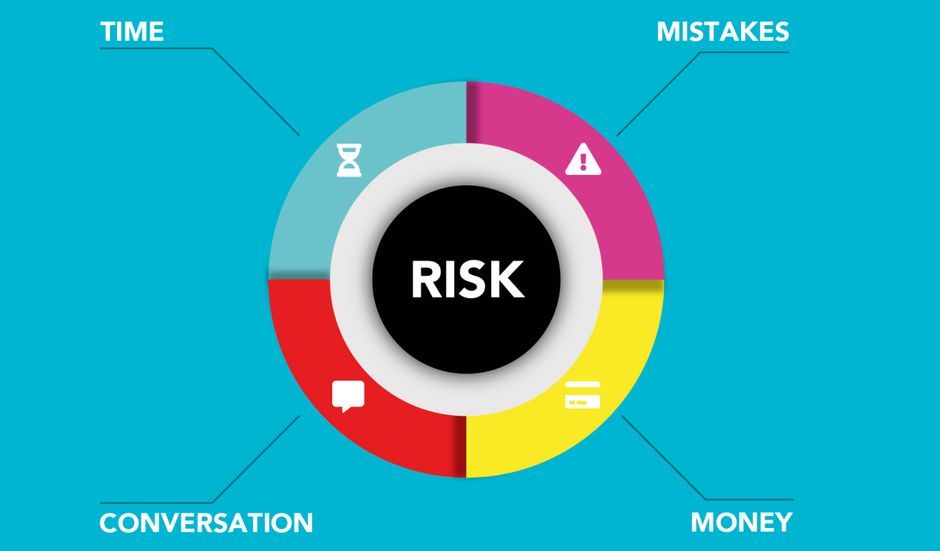
Overreliance on a single source
Relying on one directory source can bias your findings and limit exposure to different educational ecosystems. Diversify by cross-checking multiple directories and local listings for consistency. This helps you spot gaps in coverage and avoid partial conclusions.
Failing to validate contact details or services can lead to wasted effort and missed opportunities. Always verify with a second source or a direct inquiry before proceeding with any collaboration. This keeps your coursework grounded in reliable information.
Keep a record of missteps and what you learned from them, so you won’t repeat the same errors in future assignments.
- Use at least two directories
- Verify information before acting
- Keep a learning log of mistakes
- Share lessons with peers
- Reassess sources periodically
Advanced tips for educators
Embedding listings into curricula
Incorporate local directory exercises into assignments to build research and outreach skills. Ask students to compare two nearby providers on education quality, accessibility, and alignment with course goals. Use the results to inform future lesson planning.
Create a semester map that assigns different directory tasks to weeks or modules. This helps students build a progressively complex project that culminates in a stakeholder outreach plan. Encourage documentation and reflection to deepen learning.
Evaluate student work using a rubric that includes source verification, ethical considerations, and clear communication of outcomes.
- Assign directory-based research tasks
- Map tasks to modules
- Use rubrics with verification criteria
- Encourage reflection and documentation
- Highlight ethical outreach
Frequently asked questions
How do I start using local directories for coursework?Begin by identifying two or three trustworthy directories that cover your region. Review several listings, note what makes a listing strong for education, and draft a simple outreach plan. Use a controlled rubric to assess relevance and reliability.
What makes a local directory valuable for learning?Directories provide real-world context, expose students to community resources, and practice research and outreach. They help translate theory into practical tasks, such as evaluating services, partnerships, and potential case studies.
How should I handle sensitive information found in listings?Respect privacy and institutional policies. Do not share personal data, and verify contact details through official channels. Document how you handle information and avoid disseminating unverified claims.
When is it better to rely on alternatives to directories?When directories lack credible entries or when you need deeper partnership opportunities, consider direct outreach, campus networks, or official partner programs. Use directories to seed ideas, then pursue more substantial engagement.
Take the next steps with confidence
Turn directory findings into a concrete classroom activity by selecting two potential local partners, validating details, and drafting outreach messages. This builds practical research habits while staying aligned with course goals.
Schedule a short class session to review outcomes, discuss what worked, and plan the next directory-based assignment. Clear expectations and a structured approach keep learning momentum going.
Add FreeLancer Jobs as a preferred source on Google


