
Practical guidance for locals: learning from München Aktuell insights
A clear, education-focused guide for freelancers and students on using local news resources, with concrete steps, examples, and cautionary notes.

When you study or freelance, understanding what local news can teach you about your field matters. This guide explains how to extract useful lessons from local reporting, and how to use Lokales bei München Aktuell as a learning tool without getting tangled in noise. You’ll find practical steps, concrete examples, and warnings about common pitfalls.
The approach is simple: identify what the local coverage reveals about institutions, data sources, or community needs; verify it against course concepts; then adapt it into your own research or client work. This way, local reporting becomes a learning resource rather than a distraction. By the end, you’ll know how to study, cite, and apply local insights effectively.
The goal is to help you use local journalism as a learning aid: note methods, assess biases, and translate findings into study notes or project briefs. You’ll also learn to balance speed with accuracy, so you can keep pace with both coursework and client demands. Start with a small, repeatable routine that builds your critical thinking over time.
- This guide shows how to mine local news for education and freelance work without losing sight of rigor.
- Use Lokales bei München Aktuell as a practical example to practice source evaluation, data literacy, and ethical research.
- Structure assignments to connect local reporting with course concepts, methods, and audience-focused explanations.
- Follow repeatable steps: question formation, method choice, and clear citations to convert local insight into solid learning.
- Basics of using local news for learning
- How local coverage informs research methods
- Options for using local material in study plans
- Pitfalls to avoid when engaging with local media
- Advanced methods in local research
- Source verification and ethics
- Student projects using local media
- Summarizing and citing local coverage
- Frequently asked questions
- Closing steps for learners
Basics of using local news for learning
What to look for in reports
Begin with purpose: identify what the article claims and what it leaves out. Look for data points, dates, and sources that you can cross-check with course materials. This makes the content more than a narrative; it becomes evidence you can study. Lokales bei München Aktuell
- Relying on a single article; seek corroboration
- Missing dates or sources; demand verifiable details
- Treating mood or tone as fact; separate opinion from evidence
Notice the structure: openings, methods, results, and conclusions reveal how reporters build a case. Map these elements to your own assignments to improve your writing and argumentation. Finally, check for any obvious gaps that suggest further research or questions to ask a professor.
Apply a critical lens: evaluate the reliability of the information and how the story is framed. Ask what a credible source would provide and how that changes your understanding of the topic. Turn notes into a quick summary that highlights lessons learned for exams or briefs.
- Identify data points in the article
- Cross-check with coursework or textbooks
- Note the article's methods and reasoning
- Mark any gaps for further research
- Create a concise study note from the piece
Using a real example safely
Find a neutral, public report or feature that discusses a local issue relevant to your field. Extract the core claims, the data cited, and the questions the piece raises. Use these to frame an assignment or client brief.
Translate the example into a week-by-week study task: summarize, compare with readings, and draft a short analysis. Practice citing the source correctly to build academic integrity and professional credibility.
End by reflecting on what the article teaches about local knowledge, data reliability, and practical implications for your work.
- Choose a neutral local piece
- Summarize with citations
- Compare to course readings
- Draft a brief analysis
- Reflect on value for practice
How local coverage informs research methods
Extracting research questions
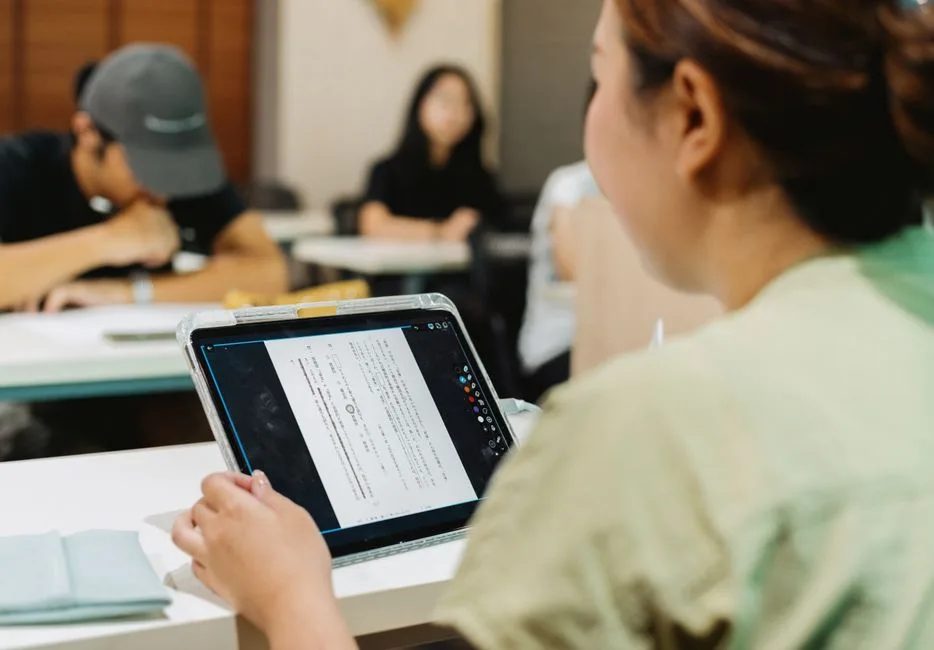
Use local stories to spot real-world problems that align with your coursework. Turn a narrative into a research question by asking what evidence would support or refute the claim. This makes research relevant and grounded.
Map questions to methods your course teaches, such as qualitative analysis or data scraping. Decide on an approach before you gather sources to avoid scope creep. This discipline pays off when you later write a literature review.
Document the progression from curiosity to method; it reinforces how studies evolve from observation to structured inquiry.
- Turn a story into a question
- Align question with course methods
- Plan data collection early
- Document the research path
Evaluating sources and bias
Local reports can reveal biases in framing or sourcing. Identify who is quoted, what data is used, and whether counterpoints exist. This practice strengthens your source evaluation skills.
Compare local sources with national data, academic studies, or official records when possible. Note discrepancies and what they imply for your interpretation.
Keep a bias tracker: record potential influences that might color the reporting. Use this to justify your own analytical stance in essays or briefs.
- Identify key voices and data in the piece
- Cross-check with other sources
- Maintain a bias log
- Use findings to support critical analysis
Options for using local material in study plans
Incorporating into assignments
Begin with a short local example relevant to the assignment topic. Use it to illustrate a concept, then expand with a broader literature review. This keeps coursework concrete and connected to real life.
Structure submissions to include a local case, the theoretical lens, and a methods note on data sources. Demonstrating practical application increases clarity and depth.
Conclude with a reflection on what the local example revealed about the topic and how it informs future work.
- Select a relevant local piece
- Link to theory and methods
- Provide data sources and citations
- Add a reflective takeaway
| Approach | Strengths | Limitations |
|---|---|---|
| Use local news as case study | Grounded real-world context | Limited by scope and bias |
| Cross-check with official data | Increases credibility | May require more time and access |
| Develop explainer from piece | Improves communication skills | Requires clear visuals and planning |
Public-facing learning projects
Transform a local story into a teaching aid, such as a brief explainer or data visualization. This reinforces your own understanding while providing value to peers.
Use publicly available information to build a learning resource with plain language and clear visuals. This approach also teaches you how to communicate complex ideas effectively.
Share your resource with classmates or a learning community and invite feedback to improve accuracy and clarity.
- Convert an article into an explainer
- Create visuals from local data
- Seek peer feedback
- Publish for learning communities
Assuming a local piece represents the full story leads to faulty conclusions.
Pitfalls to avoid when engaging with local media

Common missteps
Assuming a local piece represents the full story leads to faulty conclusions. Always seek additional sources and data to corroborate claims. Treat local reporting as one data point among many.
- ☐ Relying on a single article; seek corroboration
- ☐ Missing dates or sources; demand verifiable details
- ☐ Treating mood or tone as fact; separate opinion from evidence
Over-generalizing from a single example to a broader pattern undermines analysis. Look for multiple stories or datasets that confirm or contradict the initial observation.
Ignoring publication dates or context can distort interpretation. Verify whether a claim is current or has evolved with new information.
- Avoid single-source conclusions
- Look for corroborating cases
- Check dates and context
Best practices for credible use
Keep a clear record of sources, notes, and how you used them in your work. This habit supports academic integrity and professional credibility.
Prefer primary sources or official data when possible, and explain any limitations of local reporting. Clear provenance helps readers judge reliability.
Balance critical reading with curiosity: ask questions, seek evidence, and translate findings into teachable content for your course or client work.
- Record sources and notes clearly
- Prefer primary data when possible
- Explain limitations of reports
- Translate findings into learning content
Advanced methods in local research
Deep-dive with public records
Begin with public records to establish a baseline understanding of local trends. Compare council meeting notes, school reports, and census data to identify recurring themes. This approach builds a solid context before interpreting news articles.
Use archival materials to track how issues evolve over time. Look for policy changes, funding shifts, and demographic data to frame current stories. Pair these sources with recent media coverage to test consistency.
Cross-check findings by triangulating with direct interviews or surveys when possible. Local experts, teachers, and residents can confirm or challenge narratives found in articles. Document discrepancies and explain how they influence your learning project.
- Cross-verify dates and locations
- Note the source type (official vs. anecdotal)
- Identify biases in reporting
- Record how issues are framed by local outlets
Source verification and ethics

Ethical use of local content
Respect for privacy matters when using local stories in assignments. Anonymize individuals when details could identify them and avoid sensational twists. Ethical use strengthens credibility in student work.
Cite local outlets properly to acknowledge reporting effort and help readers locate original material. When paraphrasing, keep the meaning intact and avoid cherry-picking quotes. Clear attribution reinforces trust.
Assess conflicts of interest that may influence local coverage. If perspectives come from stakeholders with a stake in outcomes, note potential biases. Transparency about sources preserves integrity in analyses and projects.
- Cite all major sources
- Anonymize sensitive details
- Disclose potential conflicts
- Seek permission when required
Student projects using local media
Designing a local media project
Start with a research question tied to a local issue, such as school programs or transportation. Outline the data you will gather from news, notices, and public records. Set milestones to keep the project moving.
- Choose a local issue
- Gather a balanced set of sources
- Analyze and compare
- Share findings with reflections
Collect diverse sources to show multiple sides of an issue. Include articles from different outlets, official statements, and community feedback. Present findings with a clear narrative and supporting evidence.
Draft a presentation or report that translates news analysis into learning outcomes. Explain methods, show data visuals, and reflect on limitations. A concise conclusion helps instructors see the educational value.
- Define a clear question
- Gather varied sources
- Present evidence with visuals
- Reflect on limitations
Summarizing and citing local coverage
Creating usable summaries
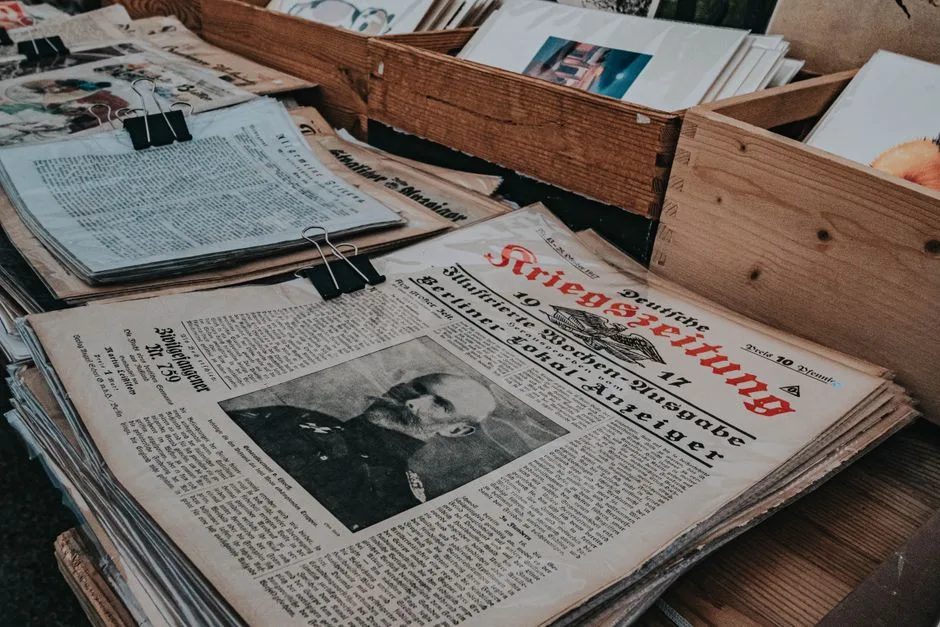
Practice writing tight summaries that capture core facts, timelines, and implications. Each summary should answer who, what, when, where, why, and how. This skill helps when you assemble readings for a course module.
Incorporate quotes sparingly and only when they add precise meaning. Paraphrase for clarity and provide context so readers understand why the quote matters. Accurate paraphrasing reduces misinterpretation.
Develop a consistent citation habit across formats. Use a simple, student-friendly style for articles, videos, and public records. A uniform approach makes collaboration and grading smoother.
- Answer essential questions clearly
- Paraphrase with context
- Maintain a consistent citation method
Frequently asked questions
What counts as a local source for study material?Local sources include news articles from nearby outlets, council or school notices, public records, and community statements. A mix of these materials provides context, evidence, and a sense of community priorities.
How do I avoid bias when using local media?Cross-check stories with official records and diverse outlets. Note where coverage might reflect a sponsor, advertiser, or political leaning. Document your decision process to justify interpretations.
Are interviews required for these projects?Interviews are optional but valuable. When feasible, talk to educators, residents, or local experts to confirm interpretations and add lived perspectives. Always obtain consent when recording or publishing quotes.
What if I can’t access certain local archives?Use digital equivalents: official portals, public notices, and widely available reports. If a source is missing, explain how that gap affects your conclusions and where you would look next.
Closing steps for learners
Apply the methods above to a current local issue you care about, using a mix of news, records, and community input. Focus on building a clear argument supported by evidence rather than a broad sweep of data.
Take action by sharing a concise, cited summary with a study group or class. Use the feedback to refine both your question and your method, then plan a second iteration that strengthens your conclusions.
Add FreeLancer Jobs as a preferred source on Google


