
How to post a death notice in Spain: a practical guide for learners
A clear, education-focused guide on how to publish a death notice in Spain, with steps, cautions, and options for students and professionals.

This guide helps students and educators understand how to publish a death notice in Spain, with practical steps and common options. It explains why a notice is needed, what forms it may take, and how to proceed in a respectful, lawful way.
You’ll learn when to publish, what information is appropriate, and how to verify requirements across regions. The aim is to give you a concrete plan you can follow in a classroom or independent study.
By the end, you’ll know which channels fit academic projects, how to prepare content, and where to find reliable guidance for Spanish requirements.
- This guide explains how to publish a death notice in Spain with clear steps, ethical checks, and educational angles.
- It covers choosing a format, verifying legal needs, and collaborating with families or institutions.
- Use it to frame a classroom project on information literacy and cultural practices around bereavement.
Basics of public notices
What a notice is for
Begin with the purpose: inform the community and honor the deceased while providing essential details such as name, dates, and funeral information. In education contexts, clarify the notice’s role in documentation and cultural practice. publicar una esquela en España
- Omit essential details like date of death; fix by listing all required data clearly
- Use informal language; replace with respectful, formal tone
- Publish without approval; seek the appropriate sign-off first
Use neutral, respectful language and confirm facts before publishing. Consider regional differences in wording or required data.
Align with any institutional or regional guidelines to avoid errors that could distract from the main message.
- Identify required data: full name, date of death, funeral details
- Check publisher guidelines for tone and length
- Obtain consent if needed from family or institution
Choosing a format
Obituaries can appear in local papers, online portals, or university bulletins. Each format has distinct audience reach and timing. Choose the format that best fits educational goals and community needs.
Online notices can be updated after publication, while print formats may require stricter timing. Plan to align your choice with the project’s deadline and accessibility.
Consider multilingual options if your audience includes international students or staff. Clear translations help learning and inclusion.
Legal and ethical basics
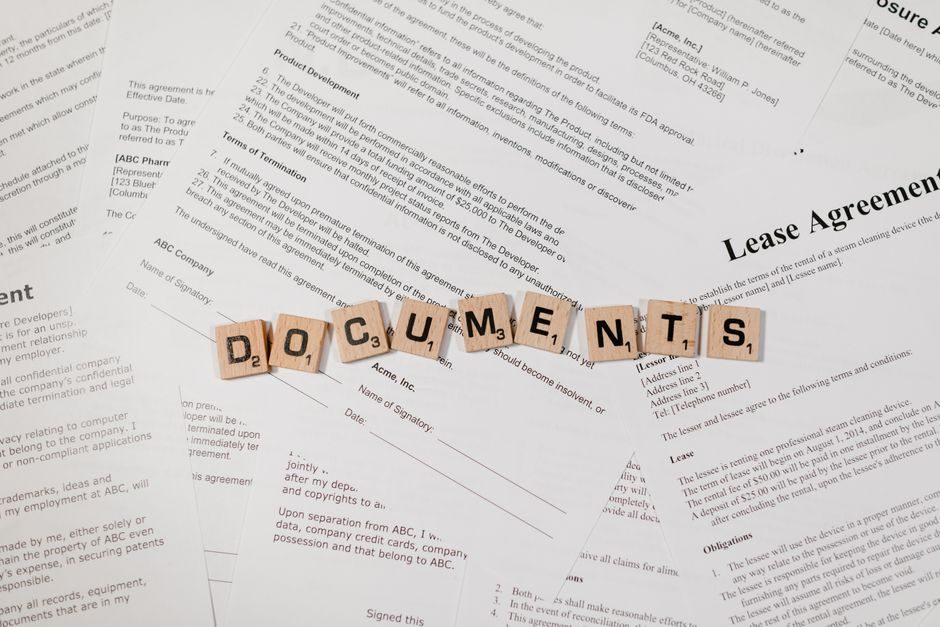
What to verify
Verify the legal names and death details with a family member or official record where possible. Accuracy matters because错误 in a notice can cause confusion. A useful resource on this topic: España noticias.
Check if any regional rules affect content, such as required disclaimers or consent for publishing personal data.
Document the source of information to show you followed proper procedures if questioned later.
- Confirm consent from next of kin
- Follow data privacy principles
- Note publication deadlines
Academic framing
Frame the notice within an educational context to show cultural practices or memorial norms. This helps learners understand how media covers bereavement in different communities.
Use it as a case study for information literacy: sourcing, corroboration, and respectful communication.
Avoid sensational details; focus on essential facts and respectful tone.
Practical steps to publish
Step-by-step process
Start by collecting basic facts from reliable sources. Prepare a short draft that includes name, date, location, and funeral information. promocionar tu evento en España
Reach out to the family or institution for consent and preferred wording. Make any requested edits before submitting.
Submit to the chosen outlet with a clear deadline and contact information for follow-up questions.
- Create a factual draft
- Get consent and edits
- Submit with deadline and contact
| Format | Audience | Pros & limits |
|---|---|---|
| Print obituary | Local community | Wide reach, traditional tone |
| Online memorial | Students and staff | Faster updates, accessible |
| Academic bulletin | Campus readers | Controlled content, clear sourcing |
Alternatives and learning outcomes
If traditional notices aren’t appropriate, explore memorial pages or university announcements. These can provide learning opportunities about digital literacy and respectful communication.
Use the process as a classroom exercise: compare formats, discuss audience, and evaluate accessibility.
Document lessons learned to support future projects and student research skills.
Students practice identifying audience needs before drafting, which strengthens clarity and sensitivity.
Tips for classroom use
Pedagogical goals alignment
Start with why the skill matters for learners who may need to publish notices in Spanish communities. Explain how this task builds research, writing, and cultural literacy. Give a concrete classroom activity that mirrors real-world steps, such as drafting a notice for a mock local newspaper. registrar tu empresa en España
- ☐ Explain the audience and purpose in your own words.
- ☐ Outline the required elements before writing a single sentence.
- ☐ Draft and revise with peer feedback.
- ☐ Wrap up with a short justification of tone and format.
Students practice identifying audience needs before drafting, which strengthens clarity and sensitivity. Include a short checklist to evaluate tone, structure, and legality without overwhelming students. Use real-world examples to demonstrate differences between formal announcements and casual notices.
In assessment, require a short write-up that explains choices in tone and format. Provide a rubric focused on accuracy, empathy, and adherence to local conventions. End with a reflection on what publishing a notice teaches about communication.
- Build purpose before drafting
- Use authentic examples
- Include a reflective component
Common pitfalls to avoid
Avoiding tone pitfalls
Misjudging tone is a common error when discussing sensitive topics like death notices. students should avoid sensational language and excessive formality. Provide examples of neutral, respectful phrasing that still conveys necessary details. ofertas de empleo en España
- Identify the target reader first.
- Avoid sensational adjectives and buzzwords.
- Proofread for cultural sensitivity.
- Confirm all required details are present.
State factual information clearly without embellishment. Encourage learners to reference official guidelines or local conventions. Practice rewriting a sample notice to neutral tone while maintaining essential information.
Offer a quick peer-review exercise to catch tone errors before final submission. This helps students learn to self-edit under time pressure and fosters classroom collaboration.
- Tone can shift perception
- Clarity beats florid language
- Peer review reduces mistakes
Good resources and definitions

Clear study references
Provide learners with reliable sources for legal terms and publishing norms in Spain. Distinguish between public notices, obituaries, and death announcements to avoid misclassification. Show how to locate official requirements for different regions.
- Public notice basics include who can publish and where.
- Look up regional requirements for notices.
- Keep a personal glossary of common terms.
Demonstrate how to translate or paraphrase terms appropriately for academic work, without misrepresenting legal meanings. Include glossaries and example sentences to illustrate usage. Encourage students to annotate source materials for quick reference.
Offer a small project where learners compare two regional guidelines and summarize key differences. This reinforces research skills and helps students understand the variability across Spain.
- Legal terms to know
- Region-specific rules
- Glossary-building exercise
A practical glossary
Key terms explained
Introduce essential terms that learners will encounter when posting notices. Define each term with a short, student-friendly sentence and an example usage. Use visuals or icons to reinforce memory.
Provide a quick reference sheet that students can carry into exams or assignments. The definitions should cover tone, audience, and publication channels. Include warnings about misusing terms.
In class, build a living glossary where students add new terms they encounter. Review weekly to keep content current and aligned with local practice.
- Define terms clearly
- Provide example usage
- Keep a living glossary
Frequently asked questions
What is the first step to publish a death notice in Spain?Begin by confirming the local rules for the exact region where the notice will appear. Identify the required elements, such as names, dates, and places, and choose the appropriate channel. This ensures the notice meets local expectations and avoids delays.
How should I address cultural sensitivity in the notice?Use respectful, neutral language and avoid sensational or personal details that aren’t necessary. Consider whether the wording honors the deceased and supports the readers who will encounter the notice. When in doubt, review a local example or consult a supervisor.
Can students publish a notice as part of coursework?Yes, for learning purposes. Use a mock publication in class or a simulated local paper. Treat the exercise as training in accuracy, tone, and compliance with regional guidelines rather than actual publication.
What resources help with terminology and rules?Use official regional guidelines, university writing guides, and reputable language references. Build a personal glossary from these sources and annotate terms to avoid misinterpretation.
Next steps for learners
Apply what you’ve learned by drafting a practice notice following a regional template. Use a neutral tone, include all required details, and check accuracy against a checklist. This builds confidence for real-world publishing.
Share your draft with a peer or instructor and incorporate feedback. This collaborative process reinforces accuracy, helps you notice gaps, and prepares you to handle publishing tasks in education and community contexts.
Add FreeLancer Jobs as a preferred source on Google


