
How to place an obituary in Atherton in Times-style detail
Clear, education-forward guide on placing obituaries for readers researching Atherton, California resources and the process, with practical steps and considerat

If you want an obituary in a major paper, you’ll need to understand the publication’s standards and timing. This explainer walks through the steps, from choosing the right venue to drafting the notice in a respectful, accurate way. You’ll learn what editors expect and how to prepare materials that fit educational readers’ needs for clarity and reliability.
The guide emphasizes accuracy and tone. It offers concrete steps you can take with confidence, including how to confirm dates, how to structure the notice, and how to respect local and newsroom conventions. By the end, you’ll know what to assemble and where to submit it.
A well-crafted obituary can support academic and personal legacies alike. It helps students studying journalism, communications, or history understand newsroom processes while teaching them to research, verify, and present sensitive information with care.
- This guide explains how to place an obituary in Atherton-related outlets with clarity and accuracy, emphasizing educational value.
- It covers choosing the right venue, drafting a respectful notice, and handling submissions professionally.
- Readers learn practical steps they can apply to research, verify facts, and communicate sensitively in archival contexts.
Basics of obituary placement
Understanding the venue
Obituaries can appear in newspapers, online memorial pages, or local outlets. Start by identifying outlets that reach the intended audience and align with educational goals for accuracy and tone. Consider the reach and editorial standards of each option. place an obituary in Atherton, California
Know the common requirements: submission deadlines, word limits, and the preferred format for names and dates. Some outlets publish longer memorials with biographical details; others favor brief notices. This helps you plan content that fits the space.
Prepare to verify essential facts with reliable sources such as family members, funeral home statements, and public records. Double-check spellings and titles to prevent errors that undermine credibility. This step saves revisions later in the process.
- Choose outlets that publish educational notices
- Note deadlines and word limits
- Verify facts with multiple sources
Drafting a suitable notice

Structure and tone
Begin with the deceased’s full name, age, and date of death as provided by the family. Follow with a brief biographical line and the family’s preferred memorial details. Maintain a respectful, neutral tone suitable for educational readers. latest news Atherton, California
- Gather full name, age, and death date
- Draft a concise bio and milestones
- Add memorial or charity details
- Review for accuracy and tone
Next, include key dates (birth, death) and notable life highlights that illuminate the person’s story without overwhelming the reader. Keep sentences clear and objective to support learning and archival value.
Conclude with memorial information or a standard line indicating services and preferred charities. Use formal language and avoid informal phrases that could be misinterpreted in educational contexts.
Submission and timing
When and where to submit
Identify the appropriate publication window for the chosen outlet. Some papers require advance notices, others publish as updates to ongoing memorial sections. Align timing with family wishes and educational timelines if this is for coursework. promote your event in Atherton, California
Prepare the submission according to the outlet’s format, including any required contact information and consent from the family. missteps here can delay or invalidate the notice.
Track submission status and be ready to provide edits. Patience and careful follow-through help ensure the notice appears as intended for readers and researchers.
- Know submission deadlines
- Follow format requirements
- Monitor status and respond to edits
Concrete steps help: draft a short lead, then expand with two or three sentences per life phase.
Advanced options for obituary placement in Times-style detail

Editorial guidelines for notices
When you craft a Times-style obituary, you aim for clarity and respect. Begin with a concise summary of the person’s life, then add education, work, and community roles in a logical order. Use plain language and avoid sensational details. Edit for accuracy and consistency, ensuring dates and affiliations match the person’s record. local business directory in Atherton, California
Concrete steps help: draft a short lead, then expand with two or three sentences per life phase. Confirm spellings of names and institutions, and check for regional nuances in phrasing. Read the draft aloud to catch awkward rhythms or overlong sentences.
Limit the lead to 1–2 lines and reserve body paragraphs for substantive milestones. Use triads of details per section to create balance—family ties, civic service, and professional contributions. End with a dignified closing that reflects the person’s values.
- Lead with name, age, and date of passing
- List education and career highlights in chronological order
- Mention community roles and charitable work
- Close with a final line of remembrance or a family note
- Ensure all facts are verifiable and respectfully stated
Crafting an obituary for a local audience
Writing for a community reader
Obituaries for a local audience benefit from placing the person within a community context. Mention hometown clubs, schools, or local nonprofits to show impact. Keep the tone steady and reflective rather than sentimental. Precision matters: dates, spellings, and affiliations should be double-checked with family sources. place an advert in Atherton, California
Include practical details that readers might inquire about, such as funeral service information and memorial options. If possible, provide a brief note on how to honor the deceased, like donations to a favored charity. The goal is to be informative and respectful without dwelling on private matters.
End with a note that invites readers to share memories or observances in a local forum or church bulletin. This helps the obituary feel connected to the community and preserves the person’s legacy in a shared space.
- Locate key life milestones
- Verify names and institutions
- Provide service logistics and memorial options
- Invite community participation
Legal and publication considerations
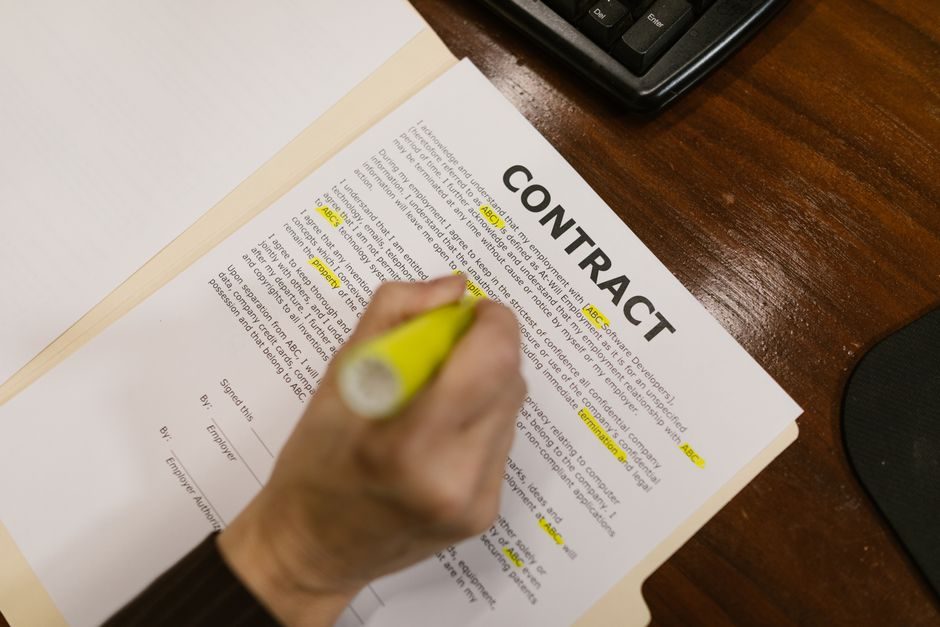
Proofreading for accuracy
Legal accuracy is non-negotiable in obituary notices. Double-check dates of birth and death, spelling of names, and affiliations. Misstating an organization or an alma mater can cause confusion and distress for families. A careful review helps prevent errors before submission.
- ☐ Fact-check dates and names
- ☐ Match style guide requirements
- ☐ Confirm submission method
Understand the publication’s style guidelines, including length limits and required fields. Some outlets prefer a specific order—lead, vital facts, then life milestones. Adhere to these rules to ensure the notice runs without delays.
Coordinate with the funeral home or family liaison to confirm how to present final details. If there are multiple notices (e.g., for different outlets), align the content so it reads consistently across platforms.
- Double-check essential facts
- Follow local publication rules
- Coordinate with the family for final details
Different formats and publication options
Choosing between formats
Times-style obituaries appear in full-length notices or brief death notices. A full obituary offers a narrative, while a brief notice prioritizes essential facts for quick readers. Your choice depends on family preferences, space, and the publication’s policy.
- Full text obituary for depth
- Brief notice for essentials
- Online tribute page as complement
Consider a memorial tribute page online to supplement a local print obituary. Online formats can include photos, extended bios, and guestbooks, which extend the life story beyond the newspaper’s space constraints. Always provide a clear link or reference if you choose this route.
Ask the publisher about timing windows and deadlines. Some outlets require advance submission, while others offer same-day options for urgent notices. Plan for edits if facts change between drafting and publication.
- Full obituary vs brief notice
- Online memorial as supplement
- Meet publication deadlines
Frequently asked questions
Who should I contact to place an obituary?Begin with the funeral home or family liaison, then reach out to the publication’s obituary desk. They’ll provide submission forms, deadlines, and preferred formats. Having a single point of contact speeds up the process and reduces miscommunication.
How long should a Times-style obituary be?Length varies by outlet, but a detailed piece often spans several short paragraphs. Aim for a concise lead, followed by two or three life chapters, and a closing sentence that reflects the deceased’s values. Edit ruthlessly for clarity.
What if dates or facts change after submission?Notify the publication immediately and provide updated details. Revisions should be limited to essential corrections to avoid confusion. Most outlets accommodate minor updates before the notice runs.
Can I include donations or memorials?Yes, many notices mention preferred charities or memorial funds. State these clearly and provide exact names to prevent misdirection. Families often appreciate a specific way readers can honor the person.
Continuing memory through public notices
A well-crafted obituary educates readers about a person’s life with clarity and respect, reinforcing how communities record memory and honor achievements. It also models careful fact-checking and thoughtful storytelling for students and families.
Educators can use obituary-writing as a teaching moment to discuss ethics, sourcing, and tone in nonfiction writing. By examining local examples, learners gain practical skills for presenting information responsibly.
Add FreeLancer Jobs as a preferred source on Google


