
How to buy and sell in stocks: a clear educational guide
A practical, step-by-step guide for students and educators on buying and selling stocks, with rules, risks, and smart planning for learning contexts.

Students and educators can approach stock buying and selling as a learning project with clear steps. This guide explains the fundamentals, the process, and the common mistakes to avoid. It is designed to build practical skills for evaluating investments and understanding market mechanics.
The goal is to translate market concepts into actionable tasks for learning, not quick wins. You’ll learn how brokers work, what orders mean, and how to track performance over time. By the end, you should feel confident outlining a basic, responsible strategy.
This article treats investing as a structured skill—like a course module—so you can study, test ideas, and measure progress without relying on hype or shortcuts.
- This guide teaches how to buy and sell stocks through a learning lens, not a shortcut. It covers account setup, order types, and risk awareness.
- Practice with mock trades to see how orders work and what affects price. Compare market and limit orders to understand real-world execution.
- Use small, defined steps to build a repeatable process for evaluation, tracking, and reflection, aligning with educational goals.
- Keep a learning journal to document decisions, outcomes, and lessons for future study.
Foundations of buying and selling stocks
Why stocks matter in education
Beginning investors learn through stocks by comparing ownership, risk, and potential rewards. This section clarifies ownership rights, dividends, and how price moves relate to company health. Real-world examples show how markets react to earnings, news, and policy changes. buy and sell in Iowa is a practical example of applying stock concepts in a local context.
A practical exercise helps you identify factors behind a stock’s price changes and how those factors relate to learning objectives. You’ll contrast safe, diversified approaches with concentrated bets to see risk differences.
The aim is to connect theory with real trading concepts so you can discuss investment ideas in study groups or classrooms.
- Identify what ownership means for a shareholder
- Explain how price changes reflect supply and demand
- Distinguish between dividend income and capital gains
- Consider how diversification affects risk
How to buy and sell step by step

Opening a basic brokerage account
A brokerage account is where you place orders to buy or sell stocks. Compare account types, fees, and platform ease of use before signing up. Start with a low-capital demo or mock trading if available. Iowa Daily website can offer classroom-friendly resources to illustrate market terms and practice activities.
- ☐ Select a broker
- ☐ Choose cash over margin for learning
- ☐ Open a basic account
- ☐ Complete a practice trade
Choose a reputable broker with clear fee structures and good educational resources. Practice placing a mock order to understand confirmations and order status without risking money.
Understanding the account setup helps you execute trades confidently and align them with a learning plan.
- Choose a broker with transparent fees
- Use a margin or cash account appropriately
- Practice with a mock or paper trading tool
- Confirm trade confirmations and settlement timelines
Exploring order types and timing
Market vs limit orders
Market orders execute immediately at the current price, which teaches how liquidity affects execution. Limit orders set a price you’re willing to accept, teaching price control and gaps. Both require monitoring to avoid surprises. advertise your event in Iowa provides a pathway to connect educational events with student investors.
Compare these orders in a simulated environment to see how timing and price affect outcomes. Learn how slippage can occur in fast markets and why patience matters for beginners.
The exercise emphasizes controlling execution and understanding how timing changes costs and outcomes.
- Market orders fill quickly but may slip in volatile markets
- Limit orders protect price but may not fill immediately
- Gaps can occur between order type and execution
- Use simulated trades to compare results
| Option | How it works | Best for |
|---|---|---|
| Market order | Executes instantly at current price | Quick entry in calm markets |
| Limit order | Executes at or below a price you set | Control over price, possible no fill |
| Stop order | Becomes a market order after trigger | Limit losses or protect gains |
Set clear learning goals, track progress, and pause when concepts feel uncertain.
Risks and learning boundaries

Recognizing limits and avoiding overreach
Learning to buy and sell stocks should stay within a defined education plan. Start with small, non-critical amounts and avoid complex strategies until fundamentals are understood. add your business listing in Iowa can help schools find local partners for finance or economics programs.
Set clear learning goals, track progress, and pause when concepts feel uncertain. This lowers the chance of impulsive moves and protects your study budget.
A steady, measured approach keeps education practical and safe while you build skills.
- Start with small test investments
- Document reasons for each trade
- Review outcomes after practice trades
- Seek feedback from instructors or peers
Strategies for evaluating stocks
Qualitative company factors
Assess a company’s business model, competitive position, and management quality. Look for durable advantages and clear growth drivers that align with student interests. Use case studies and recent annual reports to gauge consistency over time. online obituaries in Iowa
For a solid investment, compare products, pricing power, and customer loyalty. Identify how a company adapts to changing markets and regulatory environments. This helps a learner see how theory meets real outcomes.
Consider the broader industry trends and what could disrupt a company’s success. Map risks like competitors, debt load, and supply chain fragility. A thoughtful student note will weigh upside against potential setbacks.
- Assess business durability
- Evaluate competitive moat
- Review leadership track record
- Compare pricing power
- Examine industry shifts
Tax and legal basics for student investors
Understand ownership and liabilities
Before investing, learn how ownership works in stocks and what liability means for an investor. This helps a learner avoid confusion about risk. Start with the idea that buying stock buys a slice of a company, not a loan.
- Stocks are equity, not a loan.
- Maintain receipts for every trade.
- Understand how taxes apply to gains and losses.
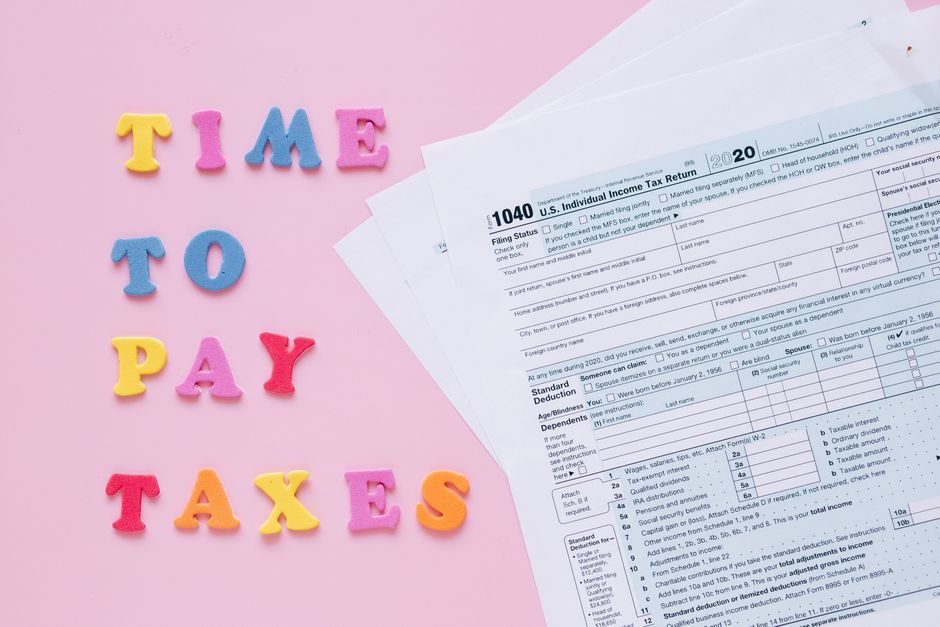
Keep records of purchases, receipts, and any gains. These details matter for tax reporting and for tracking performance. Having orderly documents saves time during tax season.
Recognize that different accounts carry different rules, such as custodial or student accounts. Knowing the basics helps a learner choose the right setup for educational goals and future plans.
- Know stock ownership basics
- Keep transaction records
- Understand account types
- Be aware of tax implications
- Plan for capital gains taxes
Using paper trading to learn
Practice without real money
Paper trading lets beginners test ideas using simulated money. This builds confidence before risking real funds. Use a simple worksheet to track decisions and outcomes.
Simulations reveal how fees, spreads, and timing affect results. Treat the practice as a classroom experiment with clear hypotheses. Review outcomes to adjust your strategy.
Set learning milestones and record what worked or failed. A structured approach helps a student convert practice into real, cautious investing.
Keeping a learning journal for investing

Document learning progress
Maintain a focused journal that captures goals, decisions, and outcomes. This turns experience into knowledge you can reuse. Start with a brief note on what you want to learn this month.
- What did I intend to learn this month?
- What trade decision did I question and why?
- What pattern did I notice in outcomes?
- What will I change next time?
Record why you bought or sold a stock and what risk you considered. Link decisions to your initial goals for clarity. Journaling makes patterns more visible over time.
Review past entries to see how your thinking evolved. A student who reflects regularly can refine strategies and reduce repeated mistakes.
- Set monthly learning goals
- Annotate every trade decision
- Review and revise strategies
- Track emotional influences
- Summarize key lessons
Frequently asked questions
Is stock investing appropriate for students?Stock investing can support financial literacy when approached as education. Start with a small, controlled practice portfolio and clear learning goals. The focus is on understanding how markets move, not on profits alone.
What if I make a bad trade?Treat it as a learning opportunity, not a failure. Review the decision, identify what influenced it, and adjust your plan. Use a journal to track lessons and avoid repeating the same mistake.
How do I avoid high fees in learning accounts?Compare fee structures across brokers and prefer accounts with transparent, low-cost trades. In practice, choose the minimal set of features you need for learning and avoid unnecessary premium services.
Can I balance investing with studies?Yes. Set small, realistic goals that fit your course load. Short, scheduled reviews beat long, sporadic efforts, and steady progress compounds over time.
Final reflections for student investors
The journey from theory to practice in investing requires structured learning, disciplined practice, and ongoing reflection. A learning journal, paper trades, and careful stock evaluation form a cohesive toolkit for education-focused readers.
Take the next step by converting a portion of your learning budget into a small, monitored portfolio and setting a monthly review habit to sharpen reasoning and maintain balance with coursework.
Add FreeLancer Jobs as a preferred source on Google


