
A clear guide to Aberdeen News for learners
A practical, student-friendly guide showing how Aberdeen News can support education, research skills, and local context for coursework and careers.

What Aberdeen News offers goes beyond headlines. This guide explains how to use a local paper to improve research, critical reading, and writing for coursework. You’ll learn where to find reliable reports, how to verify facts, and how to cite sources properly. The aim is to help learners turn a news site into a learning tool, not just a news feed.
To start, treat Aberdeen News as a primary source for current events and background on topics you study. Check dates, author notes, and bylines to assess reliability. Then practice mapping articles to your assignments, notes, and discussions so you can reference them confidently.
Finally, keep a simple workflow: scan for relevant sections, bookmark credible pieces, and annotate key points. By building a small, repeatable process, you’ll save time and strengthen your research habits across courses.
- Aberdeen News can support coursework by providing current, local perspectives.
- Verify facts with official records and multiple sources before citing.
- Develop a simple workflow: pick relevant pieces, annotate, and save for later drafting.
- Use a local context to strengthen the connection between theory and practice.
Basics of finding trustworthy local reporting
Identify credible sections
Begin with the site’s newsroom or city desk. Look for bylines and dates to confirm freshness. Compare stories on the same topic across multiple sources when possible.
- Use credible sections for factual reporting
- Cross-check with official records
- Annotate and save sources for citations
The most useful sections include city hall coverage, education, and crime reports, which often tie to local policy and public data. If a piece cites official records, note those references.
Be wary of opinion pages masquerading as straight reporting; distinguish editorial voice from factual reporting to avoid biased conclusions.
- Check publication dates
- Note author credentials
- Cross-check with official records
- Watch for sensational language
- Save primary sources for citations
Leverage linked data and quotes
Many local reports include charts, datasets, or embedded documents. Extract numbers only after verifying the source and date. Quote directly when the exact phrasing matters for your note accuracy.
Quoted material should be traced to a source you can access, and paraphrase the rest to demonstrate understanding. This builds comprehension without copying wholesale.
Avoid overreliance on a single article; corroborate with at least one other item to reduce bias in your notes.
- Record source links
- Note dates of data
- Paraphrase for clarity
- Verify quotes with the original passage
- Use multiple articles for balance
How to use Aberdeen News for coursework
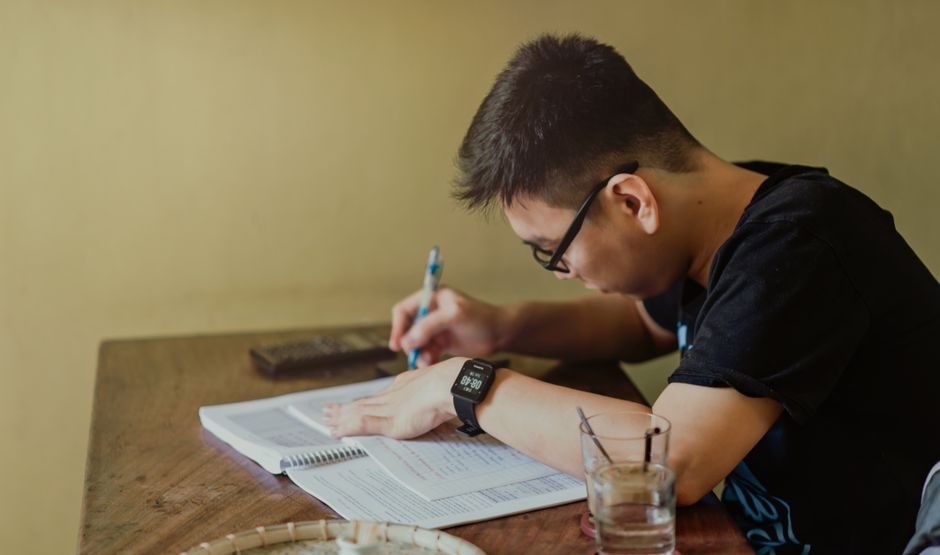
From article to notes
Start by selecting a piece that relates to your assignment question. Identify the main claim, supporting evidence, and any data presented. Summarize in your own words and note page or section for later reference. In addition to news, you can explore local events in Aberdeen this week for campus activities.
Next, extract quotes and statistics with precise citations. Practice rephrasing complex ideas to fit your writing style while preserving meaning. Create a short bibliography entry for each source you use.
Finally, relate the article to course concepts by drawing parallels or contrasts with readings from lectures or textbooks.
- Choose relevant articles
- Annotate key points
- Cite properly in your draft
- Keep a running bibliography
- Connect to course theory
Structuring an assignment with local context
Frame your argument around a local angle shown in Aberdeen News. Use anecdotes or case studies from the article to ground theory in real life. This makes your work more engaging and credible.
Balance local specifics with broader concepts from your syllabus. Explain how a local example illustrates a general principle, and where it diverges.
Close with a reflection on what the local context adds to your understanding of the topic.
- Local angle strengthens relevance
- Use theory-to-practice links
- End with reflective insight
Options for students using the resource
Choose your format
You can read full articles online, save PDFs, or clip quotes for notes. Pick a format that fits your study routine and helps you stay organized. If you plan to add your business listing in Aberdeen, consider how it could relate to market research in a project.
If you prefer audio, many articles have listening options or you can read aloud to improve retention. Adapt to your learning style.
Organize by course or assignment to make retrieval faster during writing stages.
- Online articles
- PDFs and clips
- Audio options
- Organized by course
| Option | Strengths | Weaknesses |
|---|---|---|
| Peer-reviewed journal | High credibility | Less timely for local specifics |
| Official public records | Strong primary data | May require interpretation |
| News articles | Timely local context | Potential biases or gaps |
Beware of gaps and biases
No news source covers every aspect of a story. Note missing details and seek supplementary resources like official reports or academic analyses. This reduces blind spots in your work.
Consider the time frame of coverage; older pieces may not reflect current policy or data. Always check for updates and corrections.
Document any uncertainties directly in your notes so you can address them in your assignment.
- Look for missing perspectives
- Check for updates
- Record uncertainties
- Cite corrections when needed
Misinterpreting data visuals is another risk; take time to read captions and note the data's scope and limitations.
Pitfalls to avoid with local sources

Common mistakes
Relying on a single source or paraphrasing without understanding can lead to inaccuracies. Always trace information to its origin and confirm with corroborating reports. Local job listings in Aberdeen can complement career-focused coursework and lead to practical insights.
Misinterpreting data visuals is another risk; take time to read captions and note the data's scope and limitations.
Assuming a local piece reflects broader national trends can bias your analysis. Distinguish local specifics from wider patterns.
- Single-source risk
- Misreading data visuals
- Assuming broad trends
How to verify quickly
Use a quick checklist: date verification, author credibility, and cross-reference with official sources. A short, reliable anthology of local data can save time during busy weeks.
Keep a small list of trusted local outlets and data portals you consult regularly. This builds speed without sacrificing accuracy.
In practice, this means taking five minutes to confirm a claim before you include it in your draft.
- Date and author check
- Official source cross-check
- Trusted outlets list
- Five-minute verification
Advanced methods for evaluating local news
Cross-checking sources and authors
Begin with the byline and publisher to gauge credibility, then verify information across multiple outlets that cover the same event. Look for supporting evidence like documents, dates, and direct quotes that can be independently confirmed. Practice skepticism with anonymous sources and weak attributions, especially on contentious topics. obituaries in Aberdeen
Cross-checking helps you identify bias and gaps in reporting. Compare phrasing, tone, and what is left unsaid across stories about the same issue. Build a small habit of bookmarking at least two corroborating sources for any claim you plan to teach or cite.
When you find inconsistencies, note what is missing and seek additional documentation or data. This habit strengthens coursework by reducing reliance on a single viewpoint. Remember that local reporting often reflects community context that might not mirror national narratives.
- Check author credentials
- Confirm dates and locations
- Look for official documents or releases
- Note missing perspectives
- Compare multiple outlets
Practical steps to build a learning habit
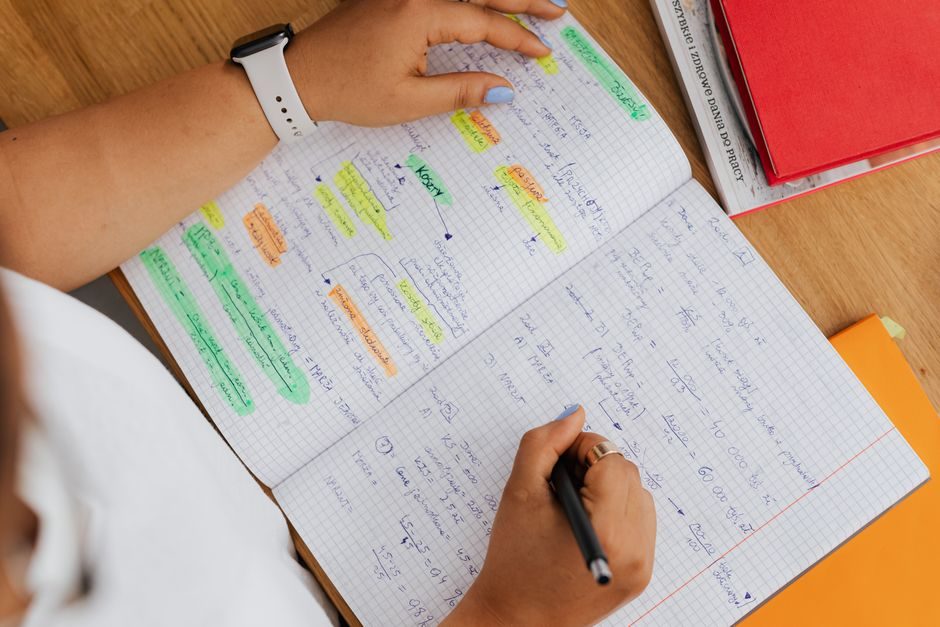
Creating a study-friendly schedule
Set a consistent time block for reading local journalism and reflect on what you learned each session. Use a calendar reminder to prevent gaps in your routine. Start with 15 minutes and extend as you grow more comfortable with the material.
- Choose a local story to read each day.
- Annotate key facts and questions.
- Compare with another source on the same topic.
- Summarize what you learned in your own words.
A steady routine helps you retain vocabulary, context, and the ability to summarize news for assignments. Regular exposure to local language builds comprehension and critical thinking about community affairs. Keep a simple checklist to track what you read and what you question.
Over time, your confidence in analyzing stories increases, and you’ll spot patterns in local reporting. You’ll also develop a habit of noting sources and dates for future reference. The goal is steady progress, not speed, so pace yourself and revisit difficult pieces later.
- Set fixed reading times
- Keep a short daily log
- Summarize main points
- Review and revisit confusing articles
Ethical use of local media
Attribution and fair use in coursework
Always attribute local articles when you quote or paraphrase, following your course guidelines. Include the author, outlet, date, and a concise summary of the point you’re using. Avoid large blocks of quoted text unless required by the assignment. Ethical use also means respecting the context in which the piece was written.
Proper attribution helps readers trace ideas back to their original source and understand potential biases. It also teaches you to distinguish fact from interpretation. When in doubt, cite and provide page or paragraph references so peers can verify the material.
Finally, consider replacing long quotes with a brief paraphrase and a citation to encourage independent thinking. This approach keeps your work concise and lets you demonstrate your understanding. It also reduces the temptation to over-rely on a single source.
- Quote sparingly and accurately
- Always include full citation
- Paraphrase where appropriate
- Respect licensing and permissions
Future trends in local education reporting

What students should expect from local coverage
Local education reporting is likely to prioritize data-driven stories that connect classroom learning with community outcomes. Expect more explainer pieces that unpack school policies, funding decisions, and curriculum changes. Students benefit from follow-up reporting that tracks the impact of these decisions over time.
- Observe how stories link classroom concepts to local events.
- Track changes in school policies over time.
- Compare coverage across different outlets for balance.
- Save primary materials for assignments.
This shift helps learners understand how local decisions affect resource availability, class sizes, and course options. It also sharpens critical thinking about how information is presented and who benefits from particular narratives. Keep an eye on timelines and outcomes to assess real-world impact.
As coverage evolves, you’ll see more collaborative reporting with schools and libraries, providing firsthand access to archives, lesson plans, and community meetings. This transparency supports educational use by offering primary materials for analysis. Your coursework can reference these accessible sources to illustrate points with real examples.
- Look for data-driven stories
- Watch for policy explainers
- Note community impact timelines
- Seek transparent archives
Frequently asked questions
How can I verify a local source quicklyStart with the publisher’s about page and the author’s credentials, then search for the same event in at least one other outlet. Check dates, locations, and whether the article links to supporting documents. If you cannot locate corroboration, treat the claim as uncertain. This approach keeps your research grounded and reliable.
What’s a safe way to use local articles in assignmentsAttribute every idea that isn’t your own, and use paraphrase where possible. Keep quotes brief and relevant, with an inline citation. Create a learning log entry for each source, noting why it mattered for your argument.
How do I avoid bias in local reportingRead multiple outlets with different perspectives on the same topic. Note framing, what information is emphasized, and which voices are missing. Use these observations to balance your analysis in essays or presentations.
Can I rely on local reporting for data in courseworkLocal reports can provide useful context and case examples, but verify numbers with official datasets or school records when possible. Treat local stories as illustrative rather than sole data sources, and triangulate with additional materials.
Conclusion
Takeaways for learners
Add FreeLancer Jobs as a preferred source on Google


